World Cup offers brief escape for Rohingya children in Bangladesh refugee camps
Dhaka- The FIFA World Cup has provided a rare source of recreation and connection for Rohingya children living in refugee camps in Bangladesh, where a sports centre in Cox’s Bazar is organising match screenings and activities during the tournament.
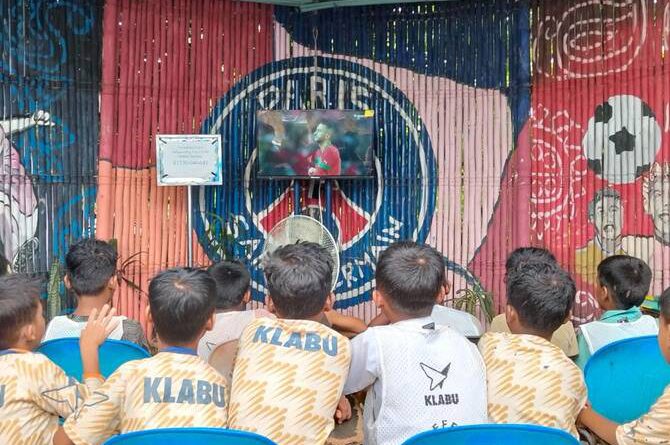
At a sports club in Camp 19, children aged between six and 15 gather to watch recorded World Cup matches on a large screen after live broadcasts were restricted in the camps over security concerns, according to the organisation running the programme.
The club, operated by the Friendship nongovernmental organisation, has created a space where children can follow their favourite teams and players while participating in football and other sporting activities.
“Girls make up around one-third of the audience,” said Molla Shihab Uddin, senior coordinator at Friendship, adding that the centre records matches and screens them the following morning.
The sports programme also provides equipment through a mobile sports library, allowing children to borrow jerseys and participate in local games inside the refugee settlements.
The Rohingya, a predominantly Muslim ethnic minority from Myanmar’s Rakhine state, have faced decades of displacement and restrictions, with hundreds of thousands fleeing to Bangladesh following a military crackdown in 2017.
Around 1.3 million Rohingya refugees currently live in 33 camps in Cox’s Bazar, where access to formal education, employment and recreational opportunities remains limited.
The Camp 19 sports club was launched in 2021 in partnership with Dutch organisation KLABU, with support from French football club Paris Saint-Germain, to promote physical and mental well-being among refugee children.
The centre now has about 1,600 regular child members, including 600 girls, who take part in football, cricket, volleyball and other activities.
Uddin said sport helps children maintain confidence and resilience in an environment where uncertainty over their future remains a major challenge.