Iran faces domestic pressure after war as leadership balances hardliners and public demands for relief
Dubai— Iran’s ruling establishment faces mounting domestic pressure as it transitions from a recent three-month confrontation with the United States, with competing demands emerging between hard-line factions seeking a tougher stance and a population expecting economic relief after years of sanctions and wartime strain.
According to officials and analysts cited in a Reuters report, Iranian authorities are now attempting to manage heightened political and social tensions following the end of hostilities, with a memorandum expected to be signed later this week outlining an interim arrangement between Tehran and Washington.
The report said hard-line factions within Iran, including elements of the Revolutionary Guards and allied political groups, view the outcome of the confrontation as a strategic success and are pushing for continued military strengthening and a firm negotiating position in any future talks with the United States.
At the same time, Iranian citizens are described as facing severe economic hardship, including high inflation, currency depreciation and unemployment, with widespread expectations that any sanctions relief or access to frozen assets will be directed toward improving living standards and rebuilding infrastructure damaged during the conflict.
Hamidreza Azizi, a visiting fellow at the German Institute for International and Security Affairs, said the end of the war could intensify domestic challenges for the clerical leadership, noting that public expectations for economic improvement may rise sharply as military tensions ease.
Reuters also cited Iranian officials as saying that any financial relief under the interim arrangement would likely be allocated to economic stabilisation measures, including support for banking liquidity and reconstruction, while acknowledging risks of renewed public unrest if conditions do not improve.
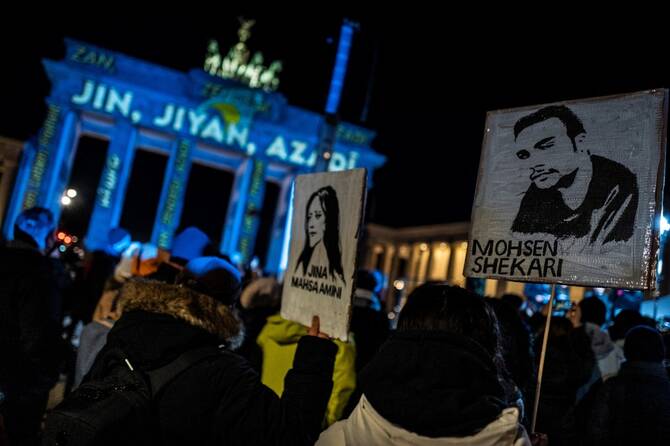
The report said Iran’s leadership is aware of the potential for renewed protests, recalling previous large-scale demonstrations in 2022–2023, and that authorities have historically relied on strict security measures to suppress dissent during periods of instability.
Saeed Laylaz, an Iranian economist and political analyst, said Iran faces a limited window to stabilise internal conditions, while noting that broader sanctions relief tied to long-term economic recovery would depend on a more comprehensive agreement with the United States.
The report added that divisions within Iran’s political establishment persist over the direction of post-war policy, with some factions prioritising economic recovery and others advocating for continued confrontation and military expansion.
Analysts also noted that tensions between reformist and hard-line elements may shape the government’s ability to manage expectations, particularly as debates continue over Iran’s foreign policy direction and internal governance following the conflict.