Kyiv neighbourhood bears the impact of escalating air war as residents face repeated strikes
“It is becoming more and more dangerous here. I sleep curled up because I am afraid a drone or a rocket will hit,” a Kyiv resident said as repeated attacks reshape daily life in the Ukrainian capital.
A neighbourhood around Lukianivska square in Kyiv has become a visible example of the damage caused by the continuing air war between Russia and Ukraine, with residents and local businesses attempting to continue daily routines among damaged buildings and reminders of repeated attacks.
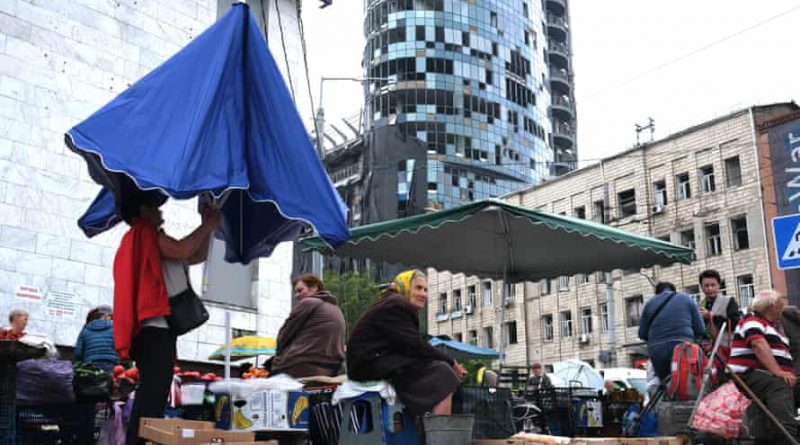
The area, once known for busy streets, restaurants and commercial activity, has seen many buildings damaged by strikes. A nearby station and restaurant remain among the active parts of the neighbourhood, while a small market selling flowers and vegetables continues operating beneath damaged structures.
For some residents, the repeated attacks have added to fears already carried from other parts of Ukraine. Anastasiia Prymak, a 23-year-old product manager, moved to Kyiv from Nikopol two years ago after experiencing frequent bombardment there. She said recent attacks on Kyiv had brought back the same sense of insecurity.
Prymak described a drone strike on a nearby apartment building on 28 April. She said she initially thought she heard aircraft but realised that was unlikely because of the war. Looking outside, she saw an explosion on the roof of a building.She said the attacks had affected her mental health and that she had been diagnosed with severe anxiety disorder.
She described experiencing persistent anxiety and panic attacks.Prymak showed images from her apartment window showing a damaged building with flames coming from windows after a strike. She said that during one major attack her boyfriend took her to a shelter, where she prayed despite not being religious.
Following further strikes, she said she had considered leaving Kyiv for Lviv in western Ukraine. She described the damage around her neighbourhood as increasingly similar to scenes from destroyed areas of Ukraine and said she feared being seriously injured in an attack.The destruction in the area comes amid a broader escalation in long-range strikes between Russia and Ukraine.
Ukrainian officials have warned that Russia is increasing attacks on urban areas, while Russian officials have indicated plans for more extensive strikes.The intensifying missile threat has raised concerns about Ukraine’s air defence capabilities.
Ukrainian officials have sought additional missile interceptors, including systems such as Patriot air defence units, as the country continues attempts to protect major cities from aerial attacks.President Volodymyr Zelenskyy has called for increased support from European partners, including stronger air defence systems and long-range capabilities.
During meetings with leaders in London, he highlighted what he described as an urgent need to strengthen Ukraine’s ability to respond to missile and drone attacks.Despite the risks, some local businesses have returned.
Faina Polishchuk, who operates a flower stall near Lukianivska square, said many traders had come back, although customer numbers had declined.She said the latest major strike left many stallholders frightened and unwilling to return immediately. However, she added that selling flowers was her source of income and that she needed to continue working.Polishchuk said she watched the strike from her apartment window and felt the building shake.
She later went to a shelter, where another resident showed her images of the damage on a phone and told her that buildings were burning.She said she intended to remain in Kyiv despite the danger, though she acknowledged that worsening conditions could force her to leave for Vinnytsia, her original home city.
The neighbourhood’s damaged buildings and disrupted businesses reflect the wider challenge facing civilians in Kyiv as the war enters another phase of intensified aerial attacks. Residents continue adapting to air raid alarms, shelter routines and the uncertainty of whether another strike may follow.