Saudi Arabia, Indonesia Forge Stronger Tourism Partnership
Jakarta-Saudi Arabia and Indonesia are working to expand tourism cooperation after a ministerial meeting, with Jakarta seeking to attract more visitors from the Kingdom as both countries pursue deeper economic and cultural ties.
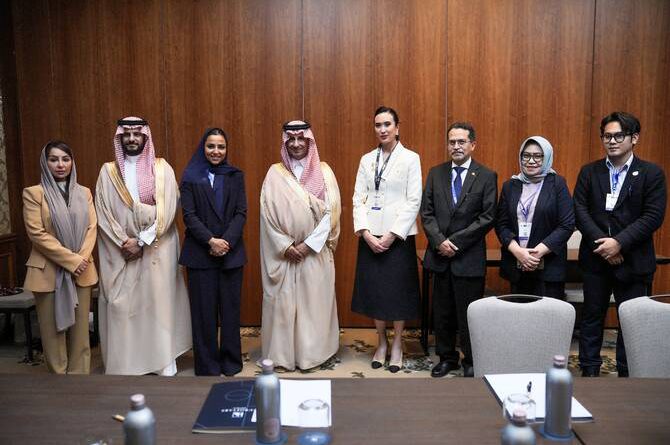
Saudi Tourism Minister Ahmed Al-Khateeb and Indonesian Tourism Minister Widiyanti Putri Wardhana discussed ways to strengthen tourism relations during a meeting on the sidelines of a United Nations meeting in Toledo, Spain, on Thursday, according to a joint statement from their offices.
Indonesia recorded more than 156,000 Saudi visitors in 2025, making the Kingdom the largest Middle Eastern market for Indonesian tourism, officials said.
“Saudi Arabia is one of Indonesia’s key partners in the Middle East, and Indonesia stands ready to further deepen this partnership, particularly in tourism, in a spirit of mutual respect and shared benefit,” Wardhana said.
Saudi travelers are viewed as an important segment of Indonesia’s tourism market, with officials noting that many visitors from the Kingdom tend to travel with families, spend longer periods in the country and visit destinations including Bali and Puncak.
Indonesia aims to attract at least 16 million foreign tourists this year and has promoted its destinations at international tourism events, including the Arabian Travel Market and Riyadh Travel Fair.
The Indonesian tourism ministry said it plans to improve hospitality training to better serve visitors from Arab countries as part of efforts to increase arrivals from Saudi Arabia.
Tourism has also become a key area of cooperation under Saudi Arabia’s Vision 2030 strategy, with both countries discussing ways to improve tourism services and strengthen workforce skills.
“Saudi Arabia and Indonesia share a uniquely strong tourism connection through faith and culture,” Al-Khateeb said.
The two sides said they were working to expand tourism exchanges, improve visitor experiences and create opportunities for destinations, businesses and communities.