One Year After Myanmar Earthquake, Child Protection Programmes Focus on Psychological Recovery in Displacement Areas
“Before, I was scared to talk to people… now I can stand in front of others and lead.”
One year after a 7.7-magnitude earthquake struck central Myanmar on 28 March 2025, humanitarian agencies report a continued focus on addressing the psychological impact on children affected by both natural disaster and pre-existing conflict-driven displacement.
The earthquake caused widespread disruption across multiple regions, including parts of Shan State, where communities around Inle Lake in Nyaungshwe Township experienced structural damage to homes and shelters. Many families who had already been displaced due to ongoing conflict were forced to endure additional instability following the tremors and subsequent aftershocks.
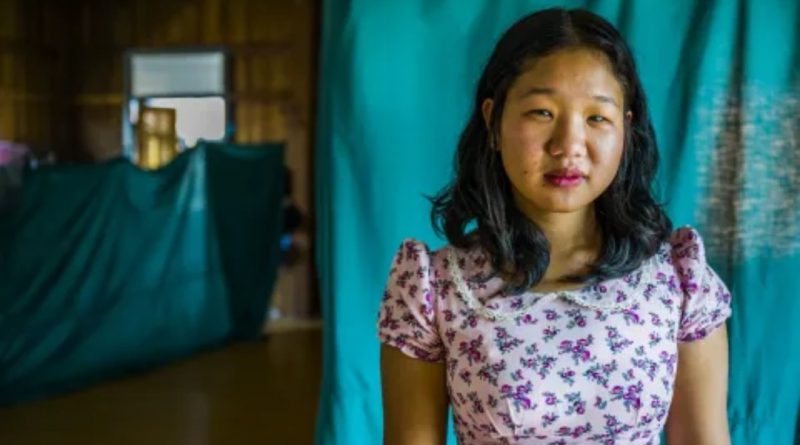
Tun Myar, a 16-year-old displaced from Loikaw, was living with relatives under a monastery structure at the time of the earthquake. She reported that the building began to sway during the tremors, prompting her to flee outside before losing consciousness. Following the incident, she described experiencing persistent fear and emotional distress, consistent with patterns observed among other children in the affected communities.
According to field accounts, many families avoided returning indoors in the immediate aftermath due to concerns about structural collapse during aftershocks. Temporary arrangements, including makeshift tarpaulin shelters, became common. Nighttime conditions were reported to be particularly difficult, as minor environmental sounds often triggered panic responses among children who associated them with renewed seismic activity.
Local observations indicate that the earthquake compounded pre-existing vulnerabilities among displaced populations. Tun Myar, who had previously experienced family separation and loss, reported that the disaster intensified existing psychological strain. She described withdrawing socially, experiencing sleep disruption, and showing signs of prolonged anxiety.
Similar behavioral patterns have been noted among other children in the area, particularly those with prior exposure to conflict and displacement.Caregivers in affected communities have attempted to support children through informal coping mechanisms, including communal gatherings and recreational activities.
However, humanitarian agencies report that many parents lack the resources or guidance to address sustained psychological distress, highlighting the need for structured intervention.In response, UNICEF and its local partners have implemented child protection programmes across southern Shan State, focusing on psychosocial support and the establishment of child-friendly spaces.
These interventions are designed to provide structured environments where children can engage in supervised activities, interact with peers, and gradually re-establish a sense of routine.At designated safe spaces in Nyaungshwe Township, children participate in organized activities such as drawing, games, and group exercises facilitated by trained staff and youth volunteers.
Field reports indicate that these sessions aim to reduce anxiety and promote social reintegration, particularly for children who have become withdrawn following the earthquake.Tun Myar reported that participation in these activities contributed to a measurable change in her behavior. She stated that she gradually regained confidence and now takes on a leadership role in group sessions, assisting facilitators and encouraging younger participants.
Her experience reflects a broader trend identified by programme coordinators, who note that peer engagement and structured interaction can support recovery in post-disaster contexts.Another case documented in the same community involves Pan Lay Pyay, aged 13, who resides with her mother in temporary shelter conditions beneath a monastery structure.
The earthquake further weakened their already fragile living environment, increasing economic and social pressures on the household. Her mother, Daw Hla Hla Aye, reported difficulties in securing daily-wage employment and meeting education-related expenses.Despite these constraints, she observed that participation in child-focused programmes had a positive effect on her daughter’s well-being. She indicated that visible improvements in her child’s mood and engagement provided reassurance regarding her ability to continue education under challenging circumstances.
According to programme data, the interventions extend beyond recreational activities to include case management services, parenting sessions, and awareness initiatives addressing child protection risks. Mental health and psychosocial support components are integrated into these services, reflecting a broader shift toward comprehensive recovery strategies in humanitarian response.
One year after the earthquake, aid agencies report that the combined effects of natural disasters and ongoing conflict continue to shape living conditions in affected areas. In southern Shan State, recovery efforts are further complicated by additional environmental events, including flooding, which have prolonged displacement for many families.Officials involved in the response indicate that child-friendly spaces remain a central component of ongoing support efforts.
These facilities are intended not only to address immediate psychological needs but also to contribute to longer-term resilience by fostering social cohesion and restoring a degree of normalcy in disrupted environments.Humanitarian partners attribute the continuation of these programmes to financial and logistical support from international donors, although specific funding levels were not detailed.
The emphasis on sustained engagement reflects recognition that recovery from trauma, particularly among children, requires extended intervention beyond the initial emergency phase.Field observations suggest that participation in structured activities has enabled some children to re-engage with peers and rebuild confidence following the earthquake.
Programme facilitators report that consistent attendance and active involvement are indicators of gradual improvement, although outcomes vary depending on individual circumstances and prior exposure to stress.Tun Myar’s transition from a withdrawn participant to a group leader illustrates the potential impact of targeted interventions when sustained over time.
She expressed an intention to complete her education and pursue a career in medicine, indicating a shift toward future-oriented thinking following her involvement in the programme.While immediate physical risks associated with the earthquake have subsided, humanitarian assessments emphasize that psychological recovery remains ongoing.
The persistence of displacement, combined with economic uncertainty and prior conflict exposure, continues to influence the pace and extent of recovery among affected populations.