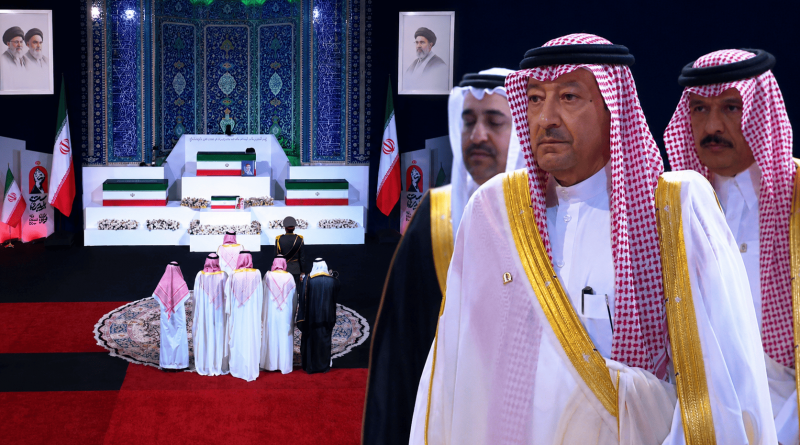
Saudi Delegation Attends Iran’s Khamenei Funeral
Riyadh – Saudi Arabia sent a delegation led by Foreign Deputy Minister Walid al-Khuraiji to pay respects at the funeral of Iran’s former Supreme Leader Ayatollah Ali Khamenei, marking a rare diplomatic gesture between the two regional rivals following the recent U.S.-Israel-Iran conflict.
According to Iranian accounts, Ali Khamenei was killed on the first day of U.S.-Israeli strikes on Iran on February 28. Those honored during the funeral ceremonies also included Khamenei’s son-in-law, his eldest daughter, a 14-month-old granddaughter, and the wife of Iran’s new Supreme Leader, Ayatollah Mojtaba Khamenei.
The Saudi delegation’s attendance drew attention because Oman and Qatar, which have played mediation roles in regional diplomacy, had been widely expected to participate. Saudi Arabia’s presence was viewed as notable given the countries’ decades of strained relations before a China-brokered rapprochement in 2023 restored diplomatic ties.
During the recent conflict, Saudi Arabia had declined U.S. requests to allow its territory to be used for military operations against Iran. Days later, Iran’s military launched repeated attacks on U.S. military bases located in Saudi Arabia, according to the account.
According to New York Times report, Saudi Arabia refused to allow U.S. forces to use its airspace. The decision reportedly prompted multiple conversations between Trump and Saudi Crown Prince Mohammed bin Salman, who maintained Riyadh’s position.
The report quoted Hussein Ibish, a scholar at the Arab Gulf States Institute in Washington, as saying Saudi officials believed permitting U.S. access to their airspace could expose the kingdom to further Iranian retaliation. “They had lost confidence in the administration, and they thought if they let the U.S. use their airspace, they would get hit even harder by Iran,” Ibish told the newspaper.
Regional analysts say Saudi Arabia sought to avoid direct alignment with either side during the conflict while safeguarding its national interests. The decision to send a delegation to Khamenei’s funeral is being interpreted by some observers as part of Riyadh’s broader effort to preserve diplomatic engagement with Tehran amid continuing regional uncertainty.