UN Warns Hormuz Recovery Masks Lingering Economic Scars
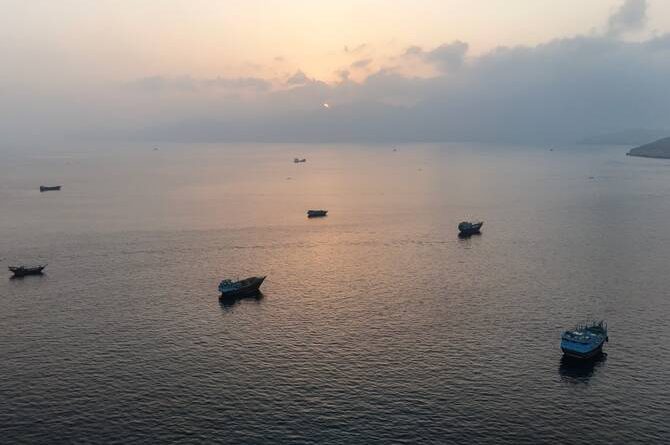
NEW YORK CITY-The reopening of the Strait of Hormuz following more than 100 days of shipping disruption is expected to ease pressure on global energy markets, but the world’s poorest economies will continue to face prolonged economic hardship from higher transport costs, inflation and food insecurity, the United Nations Conference on Trade and Development (UNCTAD) said in a report released on Wednesday.
In its report, titled “Strait of Hormuz Disruptions: Beyond Reopening — Lasting Impacts on Vulnerable Economies,” UNCTAD said maritime traffic through the strategic waterway remained stable during the first two months of 2026 before collapsing after the conflict involving the United States, Israel and Iran began on Feb. 28.
The agency said shipping activity started recovering after a ceasefire agreement between Washington and Tehran, which included the reopening of the Strait of Hormuz, was announced in mid-June. Even expectations that the waterway would resume normal operations helped ease benchmark crude oil prices across Europe, North America, the Middle East and Russia, it added.
Despite the improvement in oil markets, UNCTAD said recovery across broader supply chains remained uneven. Freight costs for grain and oilseed shipments continued to remain significantly above pre-conflict levels, indicating that disruptions to global logistics would persist even after maritime traffic resumed.
The report said the interruption of shipping through one of the world’s most important corridors for oil, liquefied natural gas and fertilizer exports triggered a broader chain reaction throughout the global economy. Higher energy prices increased transportation costs, contributed to inflationary pressures, raised agricultural production expenses and ultimately pushed food prices higher, disproportionately affecting low-income populations.
UNCTAD identified least-developed countries and small island developing states as the most exposed to these shocks because many rely heavily on imports of both fuel and food. The agency said numerous countries face dual vulnerability as net importers of oil and cereal products, leaving them particularly sensitive to fluctuations in international commodity prices.
Among small island developing states, oil imports account for as much as one-quarter of gross domestic product in some economies, according to the report. For least-developed countries, cereal imports represent a significant financial burden, with Yemen, Kiribati and Lesotho recording the largest shares of gross domestic product devoted to net cereal imports.
The report said these economies possess limited capacity to absorb external shocks because of constrained public finances, high debt-servicing obligations, exchange-rate vulnerabilities, declining remittance flows and reduced international development assistance. Those factors collectively weaken governments’ ability to shield households from rising living costs.
UNCTAD also said the relationship between energy prices and inflation has strengthened since the COVID-19 pandemic. According to the agency, a one percent increase in energy prices now produces larger and longer-lasting effects on consumer inflation than before the pandemic, reflecting more persistent transmission through global supply chains.
The report noted that food-price inflation in developing economies has continued to rise even after the underlying shocks affecting energy and grain markets began to ease, a pattern observed again during the recent conflict involving Iran.
Highlighting the humanitarian implications, UNCTAD cited research involving 1.27 million preschool children across 44 developing countries that found a five percent increase in real food prices was associated with an 11 percent rise in the risk of child wasting among children younger than five years. The risk increased to 15 percent for infants under one year, 26 percent among poor children and 9 percent for children living in poor, landless rural households.
The agency said normalization of international trade would require time because shipping networks and supply chains generally recover more slowly than commodity prices. It also warned that global food production risks remain elevated amid forecasts of a strong El Niño weather pattern later this year.
UNCTAD called for stronger international financial support for vulnerable economies, including measures to strengthen resilience through diversified trade sources and policies tailored to countries facing severe fiscal and debt constraints.
UN Secretary-General António Guterres, quoted in the report, said the economic consequences of the disruption would continue to be felt for months, with developing countries bearing the greatest burden. He urged all parties to uphold the ceasefire agreement and continue efforts to preserve regional stability.