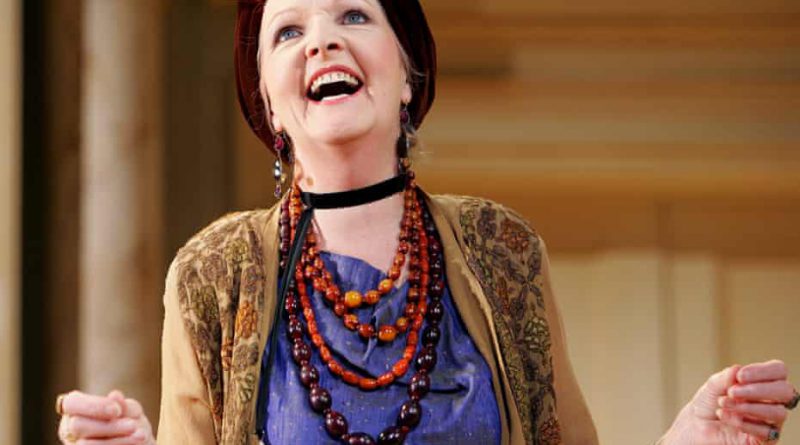
Penelope Keith Remembered for Defining British Television Comedy Through Decades of Stage and Screen Performances
“Behind the polished elegance that defined her screen roles was a performer whose disciplined comic timing and understated wit shaped a career spanning theatre and television.”
British actor Penelope Keith, who died at the age of 86, leaves behind a career that spanned several decades across theatre and television, with performances that established her as one of the defining figures of British situation comedy while demonstrating a wider range of dramatic ability on stage.
Keith became widely recognised by television audiences through her portrayals of refined, upper-class characters in sitcoms including The Good Life and To the Manor Born. Those performances helped establish a distinctive screen identity built on measured delivery, precise comic timing and restrained expression, qualities that became closely associated with her work throughout her career.
Accounts from colleagues who worked with Keith before her television success suggest that many of the characteristics later seen on screen were evident early in her professional life. During her time with the company at Lincoln Theatre Royal in the early 1960s, fellow theatre professionals recalled her confidence and composure despite being in the early stages of her career.
One recollection from that period described Keith observing an extensive exhibition of paintings displayed in the theatre foyer before remarking simply, “Busy lady,” and leaving. The anecdote has since been cited as an example of the understated humour and assured stage presence that colleagues associated with her long before she achieved national recognition.
Keith later joined the Royal Shakespeare Company, where she continued to develop her theatrical career. Even while performing relatively minor roles, she attracted attention for her instinctive comic delivery. During a production of Julius Caesar, colleagues recalled that after Mark Antony’s appeal for the crowd to “lend me your ears,” Keith improvised a line from within the ensemble, calling out, “Ave an ear then.” The incident became part of theatre folklore surrounding her early career and reflected the natural comic instincts that later became central to her public reputation.
Her progression through British theatre continued steadily during the late 1960s and early 1970s. In 1971, she appeared in Francis Durbridge’s Suddenly at Home, portraying a sharply spoken murder victim. Although the role differed from the comedy that would later define much of her career, it demonstrated her ability to command attention even in productions outside her eventual speciality.
A significant turning point came in 1974 with Alan Ayckbourn’s The Norman Conquests, first staged at Greenwich Theatre before transferring to London’s West End. Keith played Sarah, a disciplined and emotionally restrained woman whose carefully ordered domestic life is disrupted by the advances of her brother-in-law Norman.
Contemporary assessments of the production highlighted Keith’s ability to generate humour through understatement rather than exaggerated performance. Her delivery of ordinary dialogue, combined with deliberate physical gestures during household tasks, created comic effect while revealing deeper emotional tensions within the character. Observers noted that her performance balanced strict self-control with moments of unexpected vulnerability, qualities that contributed significantly to the production’s success.
The acclaim surrounding The Norman Conquests coincided with Keith’s growing television profile. She subsequently appeared alongside Felicity Kendal, Richard Briers and Paul Eddington in The Good Life, one of Britain’s most successful television sitcoms. Members of the cast later attributed part of the programme’s enduring popularity to the extensive stage experience shared by its principal actors, many of whom had spent years working in repertory theatre before moving into television.
Keith’s television recognition expanded opportunities in commercial theatre, where she continued to perform in leading productions throughout the following decades. In Michael Frayn’s Donkeys’ Years, she portrayed the wife of an Oxford academic whose emotional frustrations became a source of carefully structured comedy. The role further reinforced her reputation for combining formal restraint with precise comic execution.
She also appeared prominently in revivals of two plays by George Bernard Shaw. In The Apple Cart, Keith played the King’s mistress, bringing measured elegance to the production while maintaining the wit required by Shaw’s dialogue. She later took the title role in The Millionairess, portraying a wealthy woman whose attempts to experience ordinary life reveal personal isolation beneath material success. The performance illustrated her ability to combine sophisticated comedy with emotional complexity.
Throughout her career, Keith became closely associated with many of the most recognised female roles in British comic theatre. She portrayed Judith Bliss in Noël Coward’s Hay Fever, Madame Arcati in Coward’s Blithe Spirit and Lady Bracknell in Oscar Wilde’s The Importance of Being Earnest. Each production relied on disciplined timing and controlled performance rather than broad theatrical exaggeration, characteristics that remained consistent across her work.
Although comedy formed the foundation of her public reputation, Keith also accepted dramatic roles that demonstrated a broader acting range. Early in her career she appeared as one of the daughters in Federico García Lorca’s The House of Bernarda Alba, portraying a character shaped by emotional repression and social restriction.
Later, she received recognition for her performance as Hester Collyer in Terence Rattigan’s The Deep Blue Sea. The production centred on a woman confronting emotional abandonment, and Keith’s restrained portrayal conveyed psychological distress through subtle changes in expression rather than overt theatrical display. Critics regarded the performance as evidence that her abilities extended well beyond the comic roles for which she had become widely known.
Despite these dramatic successes, Keith remained most closely identified with comedy. Across both television and theatre, she consistently portrayed women whose polished manners and conventional public behaviour concealed humour, independence and emotional complexity. That combination became a defining feature of many of her best-known performances and contributed to her enduring popularity with audiences.
Her career reflected the close relationship between Britain’s repertory theatre tradition and its television industry during the second half of the twentieth century. Years of stage experience equipped performers such as Keith with the technical discipline, vocal control and ensemble skills that translated successfully into situation comedy, where precision of timing remained essential.
Keith’s body of work continues to occupy a significant place in British performing arts through productions that remain closely associated with the development of modern television comedy while also reflecting the enduring influence of classical stage training on screen performance.