
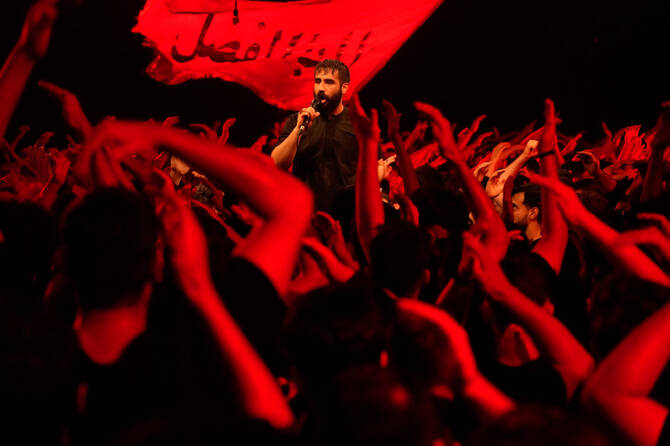
Shiite Muslims Mark Ashoura Amid Aftermath of War in Iran and Lebanon
Iraq-Shiite Muslims across the world observed Ashoura on Thursday, commemorating the martyrdom of Imam Hussein at the Battle of Karbala in 680 AD, a defining event in Islamic history that symbolizes sacrifice, resistance, and the struggle against injustice.
This year’s observance carries particular significance as it comes after months of conflict in Iran and Lebanon. In Iran, mourning ceremonies were held amid national grief following the death of Supreme Leader Ayatollah Ali Khamenei in an Israeli airstrike earlier this year. Thousands of mourners gathered in Tehran, participating in traditional rituals including chest-beating processions, elegies, and religious gatherings.
Iranian President Masoud Pezeshkian used the occasion to emphasize the values of standing against oppression and remaining committed to justice, themes closely associated with Imam Hussein’s legacy.
In Lebanon, Ashoura was marked against the backdrop of destruction caused by recent fighting between Israel and Hezbollah. Many displaced families have begun returning to their hometowns in southern Lebanon, where religious ceremonies were held among damaged buildings and war-torn neighborhoods. Supporters also visited the grave of former Hezbollah leader Hassan Nasrallah in Beirut’s southern suburbs.
Meanwhile, Pakistan deployed thousands of security personnel nationwide to protect Ashoura processions following intelligence warnings about possible militant attacks targeting the country’s Shiite minority. Authorities temporarily suspended mobile phone services in some areas as a precautionary measure.
Ashoura remains the holiest day in the Shiite calendar and continues to inspire millions through Imam Hussein’s message of courage, sacrifice, and resistance against tyranny.