Pakistan Pushes Tehran Diplomacy Amid Stalled Iran-US Talks
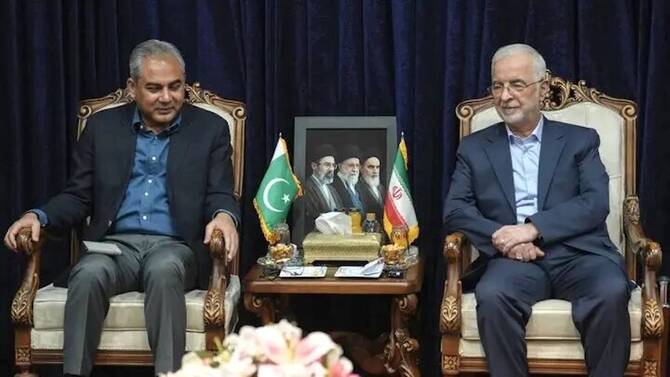
Islamabad-Pakistan’s Interior Minister Mohsin Naqvi met Iranian counterpart Eskandar Momeni in Tehran on Saturday as Islamabad continued diplomatic efforts to ease tensions linked to the Iran-U.S. conflict and disruptions around the Strait of Hormuz, according to Iranian state media.
Iran’s state-run reported that the two ministers discussed bilateral relations, including measures to facilitate border trade, transit and the exchange of goods between the neighboring countries during Naqvi’s unannounced visit to Tehran.
The meeting comes as regional tensions remain elevated following joint U.S.-Israeli strikes on Iran on Feb. 28 that prompted Iranian retaliation and restrictions around the Strait of Hormuz, a vital shipping route carrying roughly one-fifth of global oil and gas supplies.
A ceasefire announced on April 8 has largely held, though negotiations between Washington and Tehran have made limited progress after an initial round of direct talks in Islamabad.
IRNA said Momeni thanked Pakistan for its “friendly and brotherly stance” toward Iran and described relations between the two countries as rooted in longstanding historical ties. Iranian media reports did not directly reference Pakistan’s mediation role in the Iran-U.S. dispute.
Pakistan’s government also did not publicly disclose details of Naqvi’s visit. A Pakistani interior ministry source confirmed to Arab News earlier that the minister had arrived in Iran but declined to elaborate on the purpose of the trip.
Iran’s mehrnews separately reported Naqvi’s arrival in Tehran for consultations with senior Iranian officials.
Naqvi had accompanied Pakistan army chief Field Marshal Asim Munir during a visit to Tehran in April as Islamabad intensified diplomatic contacts with regional capitals in an effort to encourage dialogue between Tehran and Washington.
Pakistan’s foreign ministry said last month it remained engaged in efforts to reduce regional tensions. Foreign ministry spokesperson Tahir Andrabi told reporters in Islamabad that “the clock on diplomacy has not stopped” and that discussions aimed at preserving the peace process were continuing.
Islamabad and Tehran have simultaneously sought to expand bilateral trade through border markets and barter arrangements designed to bypass banking and currency constraints. Iran has increasingly relied on alternative trading mechanisms amid sanctions pressure and foreign exchange shortages.
Iranian President Masoud Pezeshkian visited Pakistan in August last year, when the two countries signed agreements targeting bilateral trade growth to $10 billion by 2028.
The visit also followed remarks by Iranian Foreign Minister Abbas Araghchi in New Delhi on Friday that distrust toward Washington remained the principal obstacle in negotiations with the United States, while indicating Iran remained open to diplomatic support from regional countries.
Tensions in Gulf energy markets have persisted despite the ceasefire, with restrictions around Hormuz and continuing U.S. measures targeting Iranian ports contributing to shipping uncertainty and oil market volatility.