UN Warns Over One Million Lebanese Face Acute Hunger Risk Amid Escalating Conflict
New York – More than one million people in Lebanon are at risk of acute food insecurity between now and August as escalating violence, mass displacement and economic deterioration reverse recent humanitarian gains, the United Nations said on Wednesday.
The warning came as Israeli authorities issued new displacement orders for 16 areas south of the Litani River, instructing residents to move toward the nearby city of Saida, adding further pressure on already strained communities and humanitarian operations.
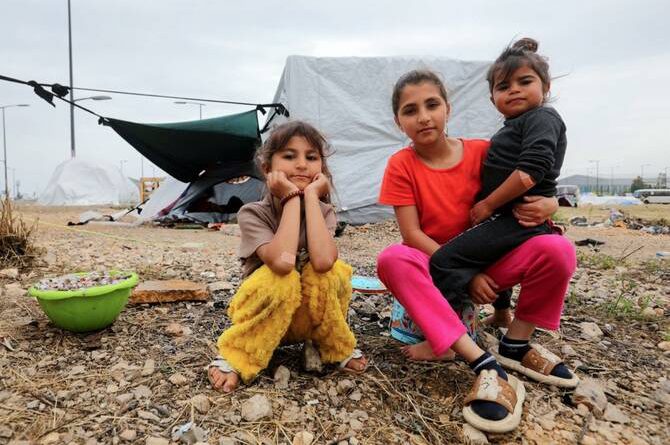
U.N. spokesperson Stephane Dujarric said civilians continued to bear the brunt of the hostilities, with women and children disproportionately affected by displacement, overcrowded shelters and worsening living conditions.
He said reports indicated rising levels of psychological distress, family separation and increased risks of gender-based violence, particularly in temporary shelters where access to protection services remains limited.
“We and our partners are responding to the mounting needs where access allows,” Dujarric told reporters, while noting that humanitarian operations remain constrained by insecurity and restricted access in several affected areas.
A new joint analysis by the U.N. Food and Agriculture Organization and the World Food Programme found that a sharp escalation in violence had reversed earlier food-security improvements and pushed Lebanon back into a crisis phase.
According to the latest Integrated Food Security Phase Classification assessment, around 1.24 million people nearly one in four of those surveyed — are projected to face IPC Phase 3, or crisis-level, food insecurity or worse during the April-to-August period.
At that level, households are typically forced to adopt severe coping strategies such as skipping meals, reducing food quality or selling essential assets to afford basic supplies.
Lebanon has been grappling with overlapping economic, political and security crises for years, with inflation, currency collapse and weakened state institutions already undermining access to food and public services before the latest surge in violence.
Humanitarian agencies also warned that funding shortfalls were limiting relief efforts. The Lebanon Flash Appeal has received just over $117 million so far, only 38% of the $308 million required to meet urgent needs, according to U.N. figures.
Dujarric said that without immediate additional funding and improved humanitarian access, conditions were likely to deteriorate further, leaving more families exposed to hunger, displacement and prolonged hardship.