Australia Rejects Repatriation Support for Citizens Leaving Syria’s Roj Camp
Sydney-Australia said on Saturday it would not assist in the repatriation of citizens linked to suspected Daesh militants from a detention camp in northeastern Syria, after reports that several Australian women and children had begun leaving the camp in an effort to return home.
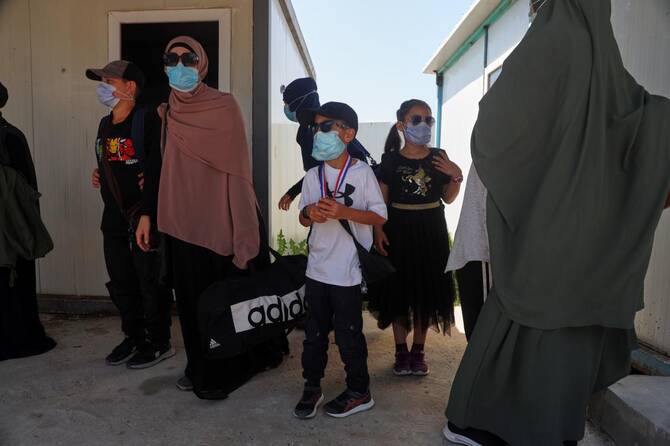
National broadcaster ABC reported that four Australian women and nine of their children and grandchildren departed Roj Camp on Friday, citing the camp’s director, with Syrian authorities transporting them to Damascus to facilitate onward travel to Australia.
The Australian government said it was not involved in the operation and maintained its long-standing policy against actively repatriating individuals from such camps.“The Australian Government is not and will not repatriate people from Syria,” a government spokesperson said in a statement.
The spokesperson added that intelligence and security agencies were continuing to monitor developments closely and were prepared for any Australians who attempted to return independently.
“People in this cohort need to know that if they have committed a crime and if they return to Australia they will be met with the full force of the law,” the statement said.Canberra said its “overriding priority” remained the safety of Australians and the protection of national interests, reflecting ongoing political sensitivity surrounding the possible return of families linked to members of the extremist group Daesh.
Roj Camp, located in northeastern Syria, houses women and children associated with suspected Daesh fighters following the collapse of the group’s territorial control in Iraq and Syria.
The families reported this week are believed to be part of a group of 34 Australians who were unable to leave the camp during a failed repatriation attempt in February, reportedly due to coordination issues involving Syrian authorities.
At the time, Prime Minister Anthony Albanese said the government would not provide assistance, using the phrase: “You make your bed, you lie in it,” to describe Canberra’s position.The return of Daesh-linked families has remained highly divisive in Australia, with some lawmakers and security officials warning that repatriation could create long-term domestic security risks.
Humanitarian organizations, however, have argued that women and especially children trapped in the camps face deteriorating living conditions, legal limbo, and prolonged statelessness.In 2023, Save the Children Australia filed legal action on behalf of 11 women and 20 children in Roj Camp, seeking government intervention to secure their return.
Australia’s Federal Court ruled against the group, finding that the government did not exercise legal control over the detainees’ confinement in Syria and therefore was not obligated to repatriate them.
Australia has previously repatriated some women and children from Syrian detention camps under earlier operations, but officials have remained cautious, balancing humanitarian concerns against domestic political and security pressures.
The latest developments suggest that any return of Australian citizens from Roj Camp will likely proceed without direct government facilitation, under close scrutiny from law enforcement and intelligence agencies upon arrival.