Turkiye debates sweeping curbs on social media access for under-15s
“Protecting our children from all kinds of risks, threats and harmful content is our top priority.”
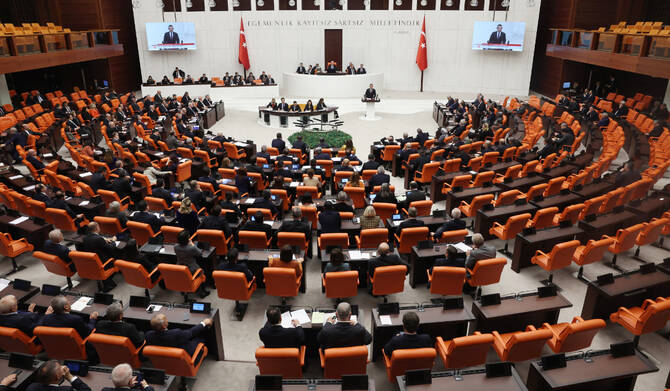
Lawmakers in Turkiye have begun debating a draft law that would restrict access to major social media platforms for children under the age of 15, reflecting a broader global push to regulate digital exposure among minors.
The proposed legislation would require platforms including YouTube, TikTok, Facebook and Instagram to prevent users below the age threshold from opening accounts. Companies would also be mandated to implement age-verification systems and provide parental control tools designed to regulate children’s online activity.
The bill forms part of a wider legislative package currently under consideration in parliament, though officials have not indicated how long deliberations are expected to continue. If adopted, the law would place new compliance obligations on both social media platforms and online gaming companies operating in the country.
The government of President Recep Tayyip Erdogan has framed the proposal as a measure to address risks associated with children’s online engagement, including exposure to harmful content and threats to privacy. Mahinur Ozdemir Goktas, the minister for family and social services, has said the initiative prioritizes safeguarding minors from digital risks.
Under the draft, platforms would be required to respond swiftly to content deemed harmful and ensure that systems are in place to limit underage access. Online gaming companies would also need to appoint local representatives in Turkiye to ensure adherence to regulatory requirements. Enforcement mechanisms could include fines and reductions in internet bandwidth imposed by the national communications authority on companies that fail to comply.
The proposal has drawn criticism from opposition lawmakers, particularly the Republican People’s Party, who argue that restrictions alone are insufficient and advocate for policies grounded in children’s rights and digital education. Critics have also pointed to the broader context of internet governance in Turkiye, where authorities have previously imposed restrictions on online communication during periods of political tension.
In 2025, access to online platforms was curtailed during protests linked to the detention of Ekrem Imamoglu, highlighting concerns among rights groups about the potential overlap between child protection measures and broader controls on digital expression.
Turkiye’s proposal aligns with a growing international trend toward stricter regulation of minors’ access to social media. In Australia, restrictions introduced in December led to the removal of millions of accounts identified as belonging to users under 16. Similarly, Indonesia has begun enforcing rules banning children under 16 from accessing certain digital platforms associated with risks such as cyberbullying, online fraud, and harmful content.
European countries including Spain, France and the United Kingdom are also considering or implementing measures aimed at limiting children’s exposure to unregulated online environments, reflecting increasing scrutiny of the impact of social media on young users.
The Turkish legislation, if passed, would place the country among a growing group of governments seeking to impose age-based access controls on digital platforms, while also raising questions about enforcement, technological feasibility, and the balance between child protection and digital freedoms