India’s pre-wedding boom fuels demand for weight-loss injections despite regulatory concerns
“We understand the curiosity, but this cannot be a quick fix,” said Dr. Swati Pradhan, highlighting concerns over misuse of obesity drugs in cosmetic settings.
Weight-loss injections originally developed for diabetes and obesity treatment are increasingly being marketed to soon-to-be brides and grooms in India, as clinics incorporate the drugs into pre-wedding transformation packages amid rising demand and regulatory scrutiny.
Wellness centres across major cities are promoting such treatments as part of broader grooming services traditionally focused on skincare and styling. A New Delhi-based clinic, Klarity Skin Clinic, advertises a “Mounjaro bride” package combining medication with nutrition plans and exercise routines, reflecting a shift in how pharmaceutical interventions are being positioned in consumer wellness markets.
Doctors say inquiries for these drugs have surged in recent months, particularly among individuals preparing for weddings. Eight physicians interviewed by Reuters reported a noticeable rise in requests from brides and some grooms seeking rapid weight loss ahead of ceremonies, often within fixed timelines.
“Over the last few months, over 20% of the queries we’ve received for obesity injections are from to-be brides, who also openly give us a timeline on how soon they are getting married,” said Rajat Goel, a bariatric surgeon at Hindivine Healthcare in New Delhi. He added that prescriptions were issued only to patients meeting medical criteria, not for purely cosmetic purposes.
The growing interest reflects broader social and cultural dynamics in India, where weddings are often elaborate events shaped by family expectations and social norms. Physical appearance can carry significant weight in arranged marriage settings, contributing to demand for quick and visible results.
Several individuals who spoke to Reuters cited such pressures as a key factor behind their decision to use the drugs. Aditi, a 26-year-old finance professional from Mumbai, said she turned to the medication after conventional methods failed to deliver the desired outcome. She reported losing 10 kilograms before her wedding and said the results improved her confidence during the ceremony.
Others echoed similar motivations. Akshitha, who married last year in Hyderabad, said she opted for injections after struggling to balance fitness routines with wedding preparations. The treatment helped her lose 15 kilograms, bringing her weight to 76 kilograms before the event. She said she may consider using the drugs again after a future pregnancy.
In some cases, the decision has been linked to social stigma. Priya, a 27-year-old technology worker from Bengaluru, said she experienced rejection from prospective grooms’ families due to her weight, prompting her to seek pharmaceutical assistance. She initially used oral semaglutide before switching to injectable medication, losing more than 12 kilograms, though she said her search for a partner continues.
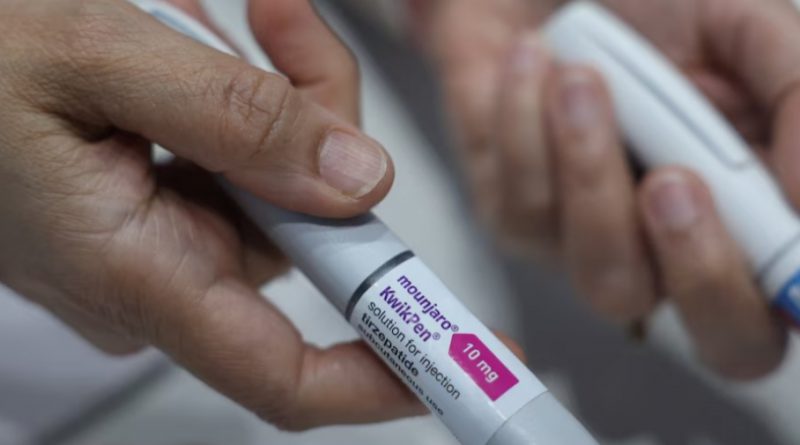
The drugs at the centre of this trend include Eli Lilly’s Mounjaro and Novo Nordisk’s Wegovy, both of which entered the Indian market last year. Physicians reported that Mounjaro has become particularly sought after, with demand rising rapidly following its introduction.
Market forecasts reflect the growing interest. India’s obesity drug market is projected to reach approximately 80 billion rupees (about $851.79 million) by 2030, driven by rising awareness, expanding availability, and increasing rates of obesity and related conditions.
Pricing remains a significant factor in accessibility. In India, monthly costs for Mounjaro range from 13,125 rupees for lower doses to 25,781 rupees for higher ones. Wegovy is priced between 5,660 rupees and 16,400 rupees per month, following recent price reductions by Novo Nordisk aimed at improving competitiveness.The market is also becoming more crowded.
Domestic pharmaceutical companies began introducing lower-cost versions of semaglutide-based treatments after the expiration of key patents, expanding access but also raising concerns about oversight and misuse.
India’s drug regulator has responded by increasing surveillance of unauthorized sales and promotional practices, particularly as demand extends beyond medically indicated use. The drugs are approved for individuals classified as obese or overweight with related health conditions such as diabetes, hypertension, or sleep apnea.
Manufacturers have reiterated that the medications should be used strictly under medical supervision. Eli Lilly said Mounjaro is approved only for specific indications and must be administered by qualified healthcare professionals, while Novo Nordisk has discouraged self-medication and off-label use.
Medical experts warn that positioning such treatments as quick solutions for cosmetic goals could undermine patient safety and long-term health outcomes. Dr. Swati Pradhan, founder of Live Light clinic, said she prescribes the injections sparingly and only when patients meet eligibility criteria, emphasizing the importance of sustained lifestyle changes.
The trend comes against a backdrop of rising obesity levels in India. A study published in The Lancet projects that the country could have more than 440 million overweight or obese individuals by 2050, among the highest totals globally. This has created a rapidly expanding market for weight-management solutions, spanning pharmaceuticals, fitness services, and wellness products.
As clinics continue to integrate medical treatments into lifestyle offerings, regulators and healthcare providers face the challenge of balancing expanding access with appropriate safeguards. The intersection of cultural expectations, commercial incentives, and medical innovation is reshaping how weight-loss therapies are perceived and used in one of the world’s fastest-growing healthcare markets.