Sahel armies linked to higher civilian death tolls than jihadists, data indicates
“Widespread deaths of civilians at the hands of government forces could bolster the political legitimacy of militant groups and fuel recruitment, analysts warned.”
Civilian fatalities attributed to security forces in Burkina Faso and Mali have exceeded those caused by jihadist groups, according to recent data and rights assessments, raising concerns about the conduct of counterinsurgency operations and their broader implications for regional stability.
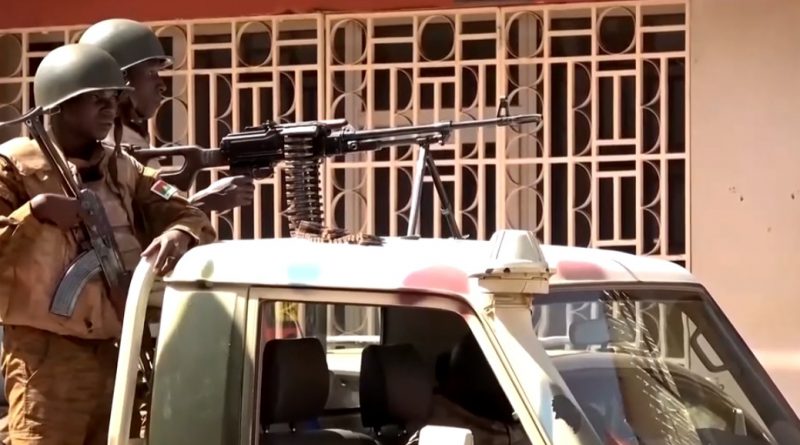
Analysts and rights groups say the pattern reflects a troubling escalation in abuses by state forces and allied militias, particularly in areas where governments are battling insurgencies linked to al Qaeda and Islamic State. The findings come at a time when military-led governments in both countries are seeking to consolidate control following coups and recalibrate their international alliances.
Human Rights Watch researcher Ilaria Allegrozzi said Burkina Faso’s security forces and affiliated militias “appear to be more brutal and violent” than militant groups such as Jama’at Nusrat al-Islam wal-Muslimin (JNIM), an al Qaeda-linked coalition active across the Sahel. Her assessment underscores a shift in the dynamics of violence, where counterinsurgency measures themselves are increasingly contributing to civilian harm.
The data highlights a regional pattern in which government responses to insurgency are marked by alleged extrajudicial killings, collective punishment, and insufficient accountability mechanisms. Allegrozzi said such trends point to broader issues of military indiscipline that risk undermining the effectiveness of security operations.
Widespread civilian casualties linked to state forces could have significant strategic consequences, analysts said. Beyond the immediate human cost, such incidents may erode public trust in governments and create conditions that enable militant groups to strengthen their narratives and expand recruitment.
Insurgent organisations operating in the Sahel have long sought to portray themselves as alternatives to state authority, particularly in rural and marginalised regions. Reports of abuses by national armies may reinforce these narratives, complicating efforts to restore state legitimacy and control.
The situation also carries implications for international engagement in the region. The United States has signalled interest in improving relations with Sahelian governments, even as Burkina Faso and Mali have distanced themselves from traditional Western partners, including France, following their respective coups.
However, allegations of human rights violations could complicate diplomatic and security cooperation.Both Burkina Faso and Mali have undergone significant political transitions in recent years, with military juntas assuming power amid rising insecurity. These governments have prioritised aggressive counterinsurgency campaigns, often relying on local militias and volunteer forces to supplement national armies.
Rights groups have repeatedly raised concerns about the conduct of these auxiliary forces, which are frequently accused of targeting civilians suspected of supporting or collaborating with jihadist groups. Such accusations are difficult to verify independently in many cases due to restricted access to conflict zones and limited transparency from authorities.
Spokespeople for the governments of Mali and Burkina Faso did not immediately respond to requests for comment. Similarly, neither the Burkinabe government nor the Sharia Committee of JNIM in Burkina Faso responded to inquiries from Human Rights Watch regarding the allegations.
The reported pattern of violence reflects the complexity of the conflict environment in the Sahel, where distinguishing between combatants and civilians is often challenging. Armed groups operate in remote areas with limited state presence, and local populations are frequently caught between competing forces.
Despite these challenges, analysts stress that adherence to international humanitarian law remains essential for maintaining credibility and effectiveness in counterinsurgency operations. Failure to do so, they say, risks perpetuating cycles of violence that ultimately benefit insurgent groups.
The findings add to a growing body of evidence suggesting that military-led approaches alone may be insufficient to address the root causes of instability in the region. Issues such as governance deficits, economic marginalisation, and intercommunal tensions continue to fuel conflict dynamics across the Sahel.
As Burkina Faso and Mali navigate their security challenges, the conduct of their armed forces is likely to remain under scrutiny from international observers and rights organisations.
The balance between combating insurgency and protecting civilian populations is expected to be a key factor shaping both domestic legitimacy and external partnerships.