Hungary’s rural vote emerges as decisive battleground in tight election race
Hungary— Rural voters across Hungary are set to play a decisive role in the April 12 national election, where Prime Minister Viktor Orban faces an unexpectedly strong challenge from opposition figure Peter Magyar amid economic concerns, corruption allegations, and shifting political loyalties.
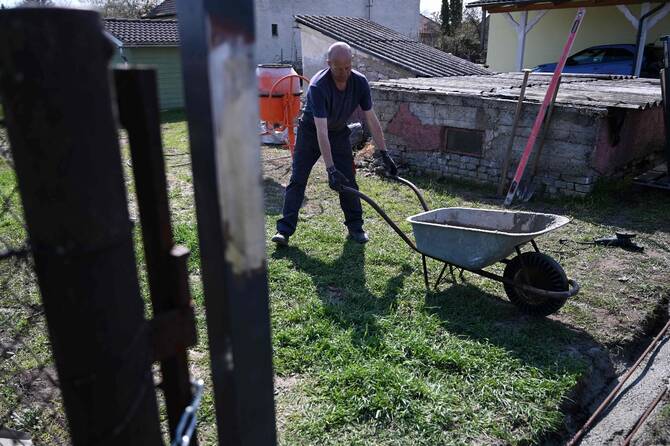
In villages such as Pusztavacs, located about 60 km southeast of Budapest, campaign posters and local conversations reflect uncertainty among voters who have traditionally backed Orban’s ruling Fidesz party.
Analysts say the countryside, home to roughly half of Hungary’s 9.5 million population, will determine the outcome of the closely watched poll.Orban has long relied on rural constituencies, bolstered by policies aimed at small communities, including infrastructure investments and family support programs.
Government-backed initiatives in Pusztavacs, such as cemetery and church renovations and the installation of an automated teller machine, have reinforced perceptions among some residents that the administration delivers tangible benefits.
“Orban does not take away, but provides,” said Maria Balogh, an 86-year-old resident, echoing sentiments common among older voters.However, economic pressures are weighing on others. Eva Batta, a 71-year-old pensioner, said her financial situation has deteriorated in recent years and expressed concern about the ongoing war in neighboring Ukraine.
Orban has emphasized such security fears during the campaign, warning that external actors could draw Hungary into the conflict, a claim denied by his opponents and European Union officials.Peter Magyar, whose Tisza party is leading in opinion polls, has focused on corruption and governance reforms, framing his campaign as a push for systemic change.
His messaging appears to be gaining traction in areas once considered strongholds of the ruling party.A local reserve soldier, speaking anonymously, said support for the opposition had “surged,” citing disillusionment with previous voting choices. Pensioner Laszlo Budavari said he plans to back Tisza, citing frustration with alleged corruption and concerns about emigration among younger generations.
“My daughters are leaving me here all alone,” he said, attributing their plans to dissatisfaction with current conditions.Political analysts suggest that while urban voters form a critical base for the opposition, electoral success will hinge on gains in rural districts.
Matyas Bodi, an analyst at Electoral Geography, described the election as being “100 percent” decided outside major cities, while sociologist Imre Kovach noted signs of a broader “political awakening” in the countryside.Magyar has adjusted his rhetoric to appeal to conservative and nationalist sentiments among rural voters, seeking to counter Orban’s longstanding dominance in these regions.The outcome of the election could determine whether Orban secures a fifth consecutive term or whether Hungary enters a new political phase shaped by shifting rural allegiances.