
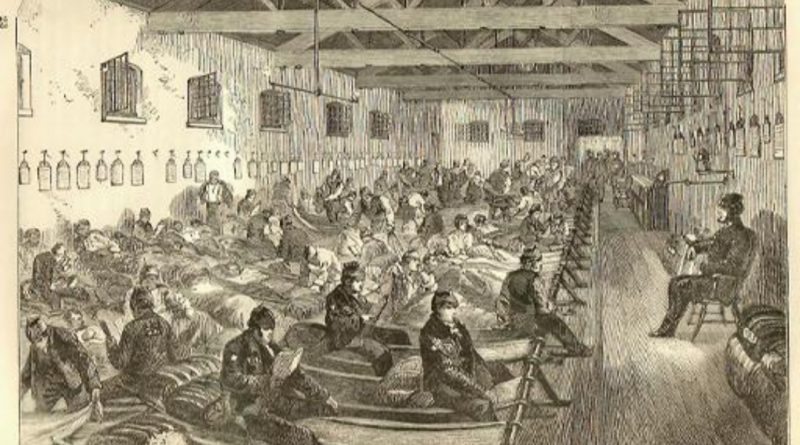
Between confinement and imagination, literature becomes a quiet refuge within prison walls
“In a place where movement is restricted, imagination becomes the last territory of freedom.”
From Crime and Punishment to The Count of Monte Cristo, literature has long returned to the prison as a setting where human character is stripped to its essentials.
Within enclosed spaces governed by rules and surveillance, writers have explored not only punishment but also memory, guilt, resistance and transformation.In many such works, confinement is not merely physical. It becomes a psychological and moral condition.
In Crime and Punishment, the protagonist’s imprisonment begins long before formal sentencing, unfolding through inner conflict and moral reckoning. Similarly, Edmond Dantès in The Count of Monte Cristo endures years of isolation that ultimately reshape his identity and purpose.
These narratives suggest that prison, while designed to confine the body, often intensifies the life of the mind.
Literary depictions of incarceration frequently emphasise the slow passage of time. Days are marked by repetition, silence and the absence of choice. In One Day in the Life of Ivan Denisovich, routine becomes both a burden and a survival mechanism, structuring existence within an unforgiving system.
Yet within such rigidity, literature often identifies subtle forms of resistance. Small acts preserving dignity, recalling memories, or forming human connections take on disproportionate meaning. These moments do not dismantle the system but allow individuals to endure it.
Writers have also drawn attention to the emotional weight of confinement. In Letters from Birmingham Jail, imprisonment becomes a site of moral argument, where reflection and expression challenge the legitimacy of authority itself.
Yet within such rigidity, literature often identifies subtle forms of resistance. Small acts preserving dignity, recalling memories, or forming human connections take on disproportionate meaning. These moments do not dismantle the system but allow individuals to endure it.
Writers have also drawn attention to the emotional weight of confinement. In Letters from Birmingham Jail, imprisonment becomes a site of moral argument, where reflection and expression challenge the legitimacy of authority itself.
For many literary figures, writing within prison is not simply an act of documentation but a means of survival. Fyodor Dostoevsky, who experienced incarceration firsthand, later infused his works with an acute understanding of psychological endurance under constraint.
Texts emerging from confinement often blur the line between testimony and art. They document conditions, but they also reinterpret them, transforming suffering into narrative. In this way, literature becomes both witness and response.
The act of reading, too, holds significance. Within prison narratives, books frequently appear as objects of escape, education or self-reinvention. Whether through philosophical reflection, storytelling or poetry, they provide an alternative framework through which inmates can understand their circumstances.
Across literary traditions, one recurring theme is the persistence of identity despite confinement. Characters may be reduced to numbers or roles within institutional systems, yet their inner lives resist complete erasure.
In The Ballad of Reading Gaol, the prison becomes a place where individuality is suppressed, yet human emotion grief, empathy, remorse remains irreducible. The tension between institutional control and personal identity forms the core of many such works.
These portrayals neither romanticise incarceration nor reduce it to a single narrative. Instead, they reveal its contradictions: discipline and chaos, despair and resilience, punishment and reflection.
Literature does not resolve these tensions.It records them. In doing so, it offers a lens through which confinement is understood not only as a condition imposed by systems, but as an experience that continues to generate meaning, memory and, at times, a fragile sense of freedom.


