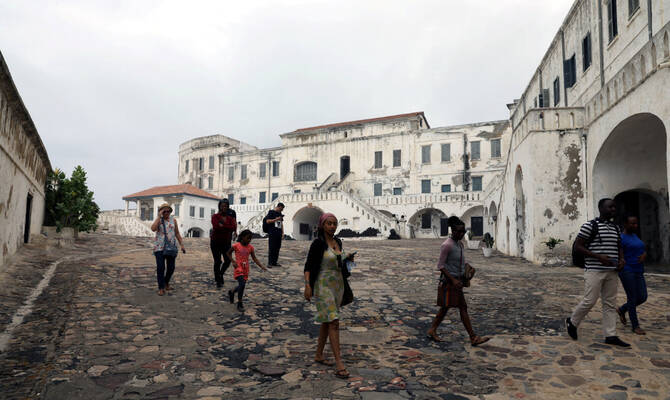
UN backs Ghana slavery resolution, defying Western opposition
United Nations — The United Nations General Assembly adopted a Ghana-led resolution recognizing transatlantic slavery as the “gravest crime against humanity” and calling for reparations, despite opposition from the United States and some European countries.
The resolution passed with 123 votes in favor, three against including the United States and Israel and 52 abstentions, including the European Union and Britain. While not legally binding, the measure carries political significance and reflects growing international pressure to address the legacy of slavery.
Ghana said the initiative was necessary to confront the enduring consequences of the transatlantic slave trade, which forcibly displaced at least 12.5 million Africans between the 15th and 19th centuries and continues to shape racial and economic disparities.
Foreign Minister Samuel Ablakwa said the resolution seeks accountability for historical injustices and could help lay the groundwork for a broader reparative framework.
The measure calls on member states to engage in dialogue on reparations, including formal apologies, financial compensation, the return of cultural artifacts, and guarantees of non-repetition.
The United States and European representatives raised concerns that the resolution could create a hierarchy among crimes against humanity or apply international law retroactively. U.S. representative Dan Negrea criticized what he described as the use of historical injustices to justify contemporary resource redistribution.
An EU representative said the bloc acknowledged the scale of the atrocity but cited “legal and factual” concerns in its decision to abstain.Growing global momentumUN Secretary-General Antonio Guterres told the assembly that more decisive action was needed globally to address historical injustices.
The resolution follows efforts by the African Union to develop a unified position on reparations among its member states.
Legal experts said the vote marks the furthest the UN has gone in formally recognizing transatlantic slavery as a crime against humanity and advancing calls for reparations, signaling increasing momentum behind the issue despite resistance from Western nations.