Asia revives pandemic playbook as Iran war fuels energy crisis
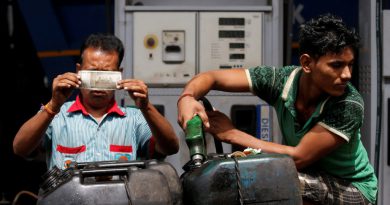
New Delhi— Countries across Asia are revisiting work-from-home policies and emergency energy measures used during the COVID-19 pandemic, as governments scramble to respond to fuel shortages triggered by the Iran war, according to officials and policy statements on Wednesday.
The region, which imports more than 80% of crude shipments passing through the Strait of Hormuz, has been hit hard after disruptions linked to Iran’s actions since the conflict began on Feb. 28, tightening global supply and pushing policymakers to consider demand-curbing steps.
No country has formally reinstated remote work mandates, but officials say such measures are under active review. South Korea’s Energy Minister Kim Sung-whan said authorities would consult relevant ministries on expanding work-from-home policies, aligning with recommendations from the International Energy Agency.
IEA Executive Director Fatih Birol reiterated calls this week for reduced travel and remote work, citing earlier precedents such as Europe’s response to the Russian invasion of Ukraine, where demand management helped offset supply disruptions.
South Korea has also launched a public campaign encouraging households to cut energy use, including reducing shower times and shifting electricity consumption to off-peak periods.
Across the region, governments have begun implementing targeted measures to stretch limited fuel supplies. The Philippines has shortened the work week for some public offices, with President Ferdinand Marcos Jr declaring a national energy emergency over risks to supply.
Pakistan has temporarily closed schools and expanded remote work for office staff, while Sri Lanka introduced a weekly public holiday to conserve fuel.Other economies are focusing on efficiency measures rather than mobility restrictions.
Singapore has urged businesses and households to adopt energy-efficient appliances, increase air-conditioning temperatures and accelerate electric vehicle usage.
In Thailand, Prime Minister Anutin Charnvirakul has ordered civil servants to limit overseas travel, adjust office cooling levels above 25°C and adopt remote work where possible.
The policy responses echo pandemic-era strategies aimed at reducing energy demand, as governments across Asia attempt to cushion the economic and supply shocks stemming from the ongoing conflict.