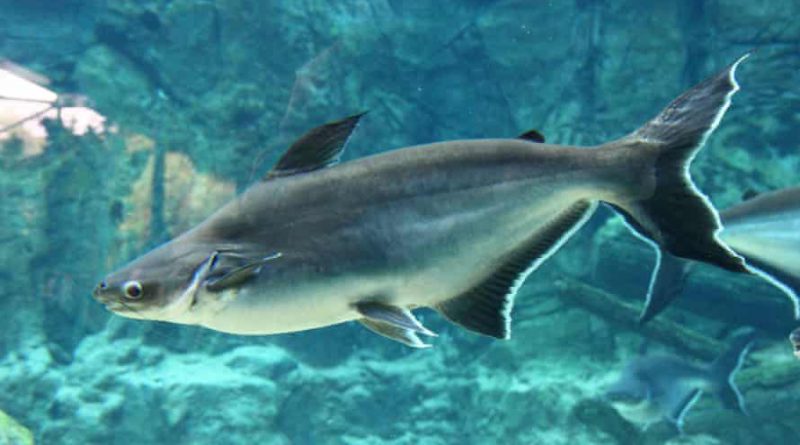
Global freshwater fish migrations in steep decline, UN-backed assessment finds
Freshwater fish populations that undertake long-distance migrations have declined by approximately 81% since 1970, according to a comprehensive assessment conducted under the United Nations’ Convention on the Conservation of Migratory Species (CMS).
The analysis, led by Dr. Zeb Hogan of the University of Nevada, evaluated data on more than 15,000 freshwater species and identified a significant collapse in migratory populations across major river systems.
The report highlights that these migrations, which rank among the largest animal movements globally, are increasingly disrupted. Species such as the dorado catfish, which travels an estimated 11,000 kilometres between the Andes foothills and the Amazon estuary, exemplify the scale of these journeys.
More widely known migratory species, including salmon and eels, are also affected.
According to the CMS assessment, freshwater ecosystems are particularly vulnerable to human activity. Pollution entering rivers and lakes, the construction of dams that obstruct migration routes, and overfishing have collectively reduced fish populations.
Rising water temperatures linked to climate change are compounding these pressures.Amy Fraenkel, executive secretary of CMS, stated that migratory species face increasing challenges throughout their life cycles, often crossing multiple national boundaries.
The report underscores that coordinated international action is necessary to address these pressures, particularly as river systems frequently span more than one country.
Migratory freshwater fish support some of the world’s largest inland fisheries and are a critical source of food and livelihoods for hundreds of millions of people. In Cambodia’s Tonlé Sap lake, part of the Mekong river system, more than 100 migratory species contribute to high-yield fisheries, with catches reaching several tonnes within short periods, according to Hogan.
The report identifies 325 freshwater fish species that cross international borders and could qualify for enhanced protection under CMS frameworks. However, only 24 species are currently listed, many of them sturgeon historically targeted for caviar production.
Delegates from 132 CMS member states are meeting in Brazil, where improving river connectivity and protecting migratory pathways form a central part of discussions.
Proposed measures include removing or preventing barriers such as dams, maintaining adequate water flows, reducing pollution, and coordinating fisheries management across borders.
The Amazon basin remains one of the last relatively intact strongholds for migratory freshwater fish. Regional initiatives, including a proposed decade-long conservation plan for migratory catfish, are being considered as potential models for other river systems.
The Mekong basin is identified as a region of acute concern, with large migratory species facing heightened extinction risks due to overfishing and habitat disruption. Key countries in the basin, including Thailand, Cambodia, Laos and Vietnam, are not currently part of the CMS treaty framework.
Other priority basins highlighted in the assessment include the Danube, Nile and Ganges-Brahmaputra systems.
The report also notes past losses, including the extinction of the Chinese paddlefish in the Yangtze River, attributed to habitat disruption following the construction of the Gezhouba dam in 1981.