EU summit grapples with Iran war fallout, Hungary blocks Ukraine loan
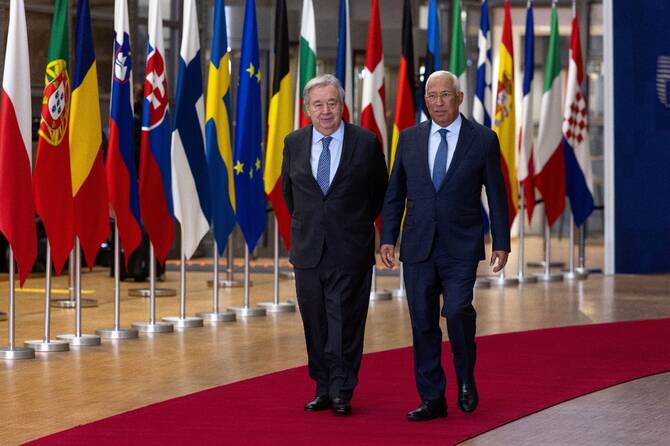
Brussels — European Union leaders convened in Brussels on Thursday to address the fallout from the Iran war, surging energy prices, migration concerns and a major financial package for Ukraine stalled by Hungary, as divisions within the bloc complicate decision-making.
Rising energy costs linked to the conflict and fears of a renewed refugee influx have elevated the Middle East crisis to a central issue at the summit, officials said, alongside efforts to secure agreement on a 90 billion-euro ($104 billion) loan intended to support Ukraine’s war-strained finances.
Energy and Middle East concernsLeaders are weighing options to mitigate economic shocks from the conflict, including proposals from the European Commission for a “toolbox” of measures aimed at lowering energy prices across the 27-nation bloc. A senior EU diplomat said no single policy would suit the bloc’s diverse energy markets, underscoring the complexity of the response.
Several EU countries have resisted calls from U.S. President Donald Trump to deploy military assets to safeguard the Strait of Hormuz, a critical artery for global shipments of oil, gas and fertilizer, reflecting caution over deeper involvement in the conflict.
The summit is also focused on a standoff between Hungarian Prime Minister Viktor Orbán and other EU leaders over the Ukraine loan agreed in principle in December. Orbán withdrew support after disruptions to the Druzhba oil pipeline earlier this year, citing energy security concerns.
“If there is no oil, there is no money,” Orbán said in a social media post, linking Hungary’s backing of the loan to stable energy supplies.
EU officials are seeking to persuade Hungary and Slovakia, whose Prime Minister Robert Fico has also adopted pro-Russia positions, to lift their objections. European Commission President Ursula von der Leyen has preposed EU funding to repair the Druzhba pipeline and develop alternative supply routes for both countries.
Ukrainian President Volodymyr Zelensky said blocking the loan was “absolutely unfair,” stressing that the funds are essential as Kyiv faces a deepening budget crisis amid its war with Russia, which began in February 2022.
German Chancellor Friedrich Merz urged swift agreement on both the loan and a new package of sanctions against Moscow, warning against allowing domestic political considerations within member states to hinder collective action.
He said the EU must “increase the pressure on Moscow together,” in coordination with the United States, as leaders gather to reconcile internal divisions with mounting geopolitical and economic pressures.