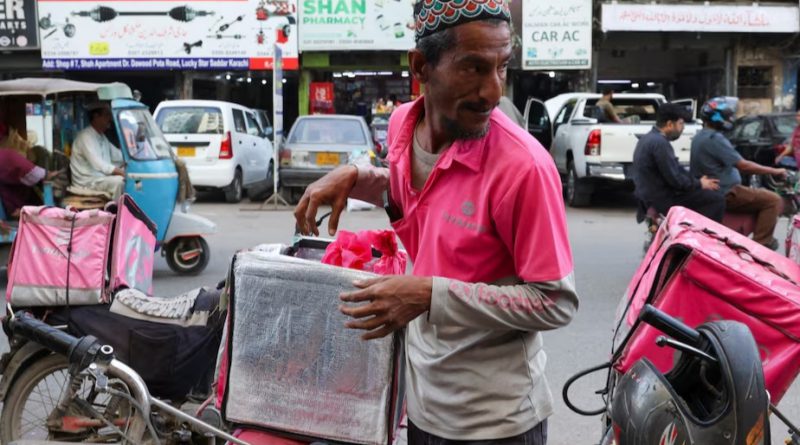
Fuel shock dims Eid earnings for Pakistan’s gig riders
Karachi – Delivery riders in Karachi say they are working longer hours ahead of Eid al-Fitr but earning less, as surging fuel prices linked to the U.S.-Israeli war on Iran squeeze incomes during what is typically their busiest season.
A 23-year-old rider, Mohammad Mohsin, said his daily earnings have fallen from around 1,500 rupees ($5.38) to about 1,100 rupees as petrol prices climbed above 320 rupees per litre. “Before it was all mine. Now, a huge sum goes into petrol,” he said.
The spike in fuel prices is hitting low-paid urban workers particularly hard, with many riders struggling to cover basic expenses, let alone seasonal spending associated with Eid. Reuters spoke to more than half a dozen riders across Karachi, all of whom said higher petrol costs had significantly reduced their take-home earnings.
The squeeze comes despite increased demand for deliveries during Ramadan evenings and the Eid period, when food orders typically surge.
Pakistan’s inflation rate, which peaked at 38% in 2023, has eased but remains elevated at around 7%, continuing to push up the cost of food, rent and utilities. Many gig workers earn below the monthly minimum wage of 32,000 rupees ($114.67), with no fixed salaries or employment benefits.
Riders said the combined impact of inflation and fuel costs has eroded their purchasing power, forcing them to prioritise essentials over customary holiday spending.
Companies reliant on gig workers, including foodpanda, say they are adjusting pricing and taking steps to support rider earnings.
However, workers say these measures have not kept pace with rising costs, leaving them to compensate by spending more hours on the road.
Austerity measures, school closures and increased work-from-home practices have also reduced ride-hailing demand, cutting into incomes even as delivery volumes rise.
“We cannot afford clothes or shoes,” said Hizbullah, a 26-year-old delivery rider, reflecting a broader sentiment among workers that a typically festive period has become financially strained.