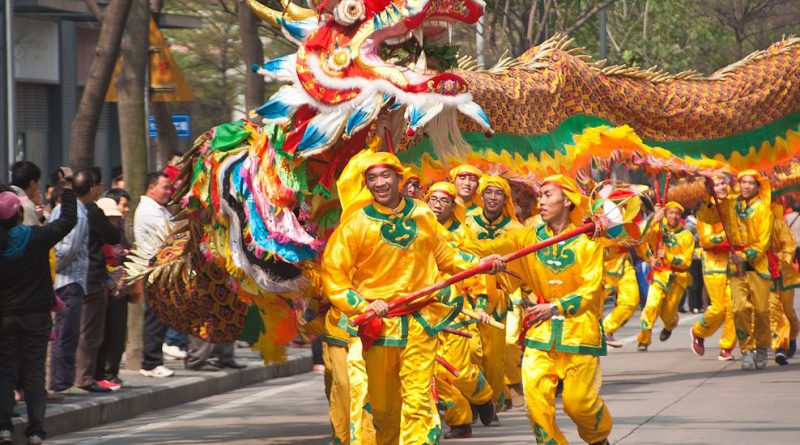
Tradition meets modern economy as China reinterprets cultural heritage
“
“In China, the revival of traditional culture is being reshaped as both an economic resource and a tool of social continuity, balancing preservation with modern commercial realities.“
Across China, traditional cultural practices are being reinterpreted within a modern economic and social framework, reflecting a broader effort to integrate heritage with contemporary life.
From festivals to craftsmanship, authorities and communities are promoting traditions as both cultural assets and drivers of economic activity.
Government-backed initiatives have supported the preservation of intangible cultural heritage, including traditional crafts, performing arts and rituals. Data from the Ministry of Culture and Tourism of China shows a steady increase in registered heritage items and designated practitioners, as part of a nationwide programme aimed at safeguarding cultural traditions.
Festivals rooted in historical practice continue to play a central role in this revival. Events such as Chinese New Year and the Mid-Autumn Festival have seen expanded participation, supported by public campaigns and tourism initiatives.
Authorities have positioned these occasions as opportunities to reinforce cultural identity while also stimulating domestic consumption.Integration with tourism and local economies where cultural heritage has become an increasingly important component of China’s tourism strategy.
In regions such as Yunnan Province and Zhejiang Province, local governments have developed heritage sites and traditional villages into tourist destinations, combining preservation efforts with infrastructure investment.
Official tourism data indicates that such initiatives have contributed to increased visitor numbers and local income generation. Traditional crafts, including ceramics, textiles and paper-cutting, are being marketed both domestically and internationally, providing new revenue streams for artisans.
At the same time, policymakers have emphasised the need to balance commercialisation with authenticity. Cultural authorities have introduced guidelines aimed at ensuring that heritage practices are preserved in their original form while adapting to modern economic contexts.
Efforts to sustain traditional practices have also focused on education and transmission to younger generations. Schools and cultural institutions have incorporated elements of traditional arts and customs into curricula, supported by government programmes.
Apprenticeship systems have been expanded to train new practitioners in crafts and performing arts. According to official statements, these programmes are intended to address concerns about declining participation in certain traditions, particularly in rural areas.Digital platforms have also played a role in dissemination.
Online content featuring traditional practices has attracted large audiences, contributing to renewed interest among younger demographics. Analysts note that this digital engagement has helped bridge the gap between heritage and contemporary culture.Cultural policy and national identity where the revival of traditional culture is closely linked to broader policy objectives related to national identity and social cohesion.
Government initiatives have framed cultural heritage as a source of continuity in a rapidly changing society, while also promoting it internationally as part of cultural diplomacy.State-supported programmes have increased funding for heritage preservation and encouraged local governments to integrate cultural assets into development strategies.
Analysts say this approach reflects an effort to align economic growth with cultural preservation, particularly in regions undergoing rapid urbanisation.
While the expansion of heritage-related industries has generated economic benefits, it has also raised questions about the impact of commercialisation on traditional practices.
Cultural authorities have acknowledged these challenges and indicated that regulatory frameworks will continue to evolve in response to changing conditions.