
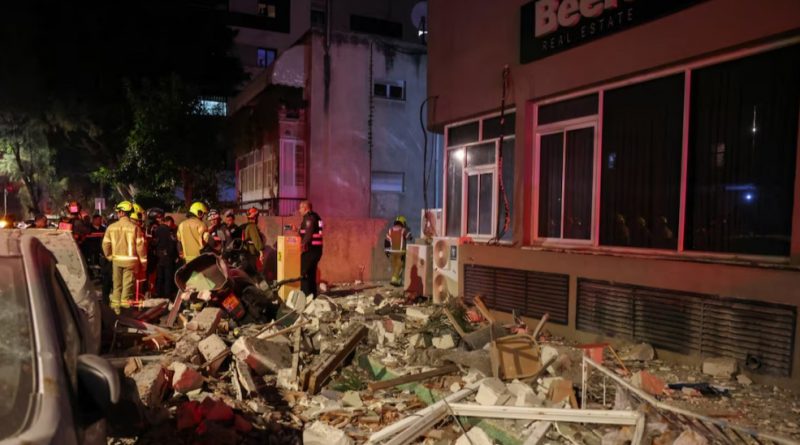
Iran fires cluster-armed missiles at Tel Aviv after Larijani killing
Tel Aviv_ Iran fired missiles carrying cluster warheads at Tel Aviv overnight in retaliation for the killing of senior security official Ali Larijani, Iranian state television reported on Wednesday, as the conflict with Israel escalated with strikes on densely populated areas and mounting casualties.
Israel said the missiles dispersed multiple submunitions mid-air, complicating interception efforts. The overnight attack killed two people in Tel Aviv, bringing the total death toll in Israel since the start of the war to at least 14, according to Israeli authorities.
Iran described the strike as a direct response to the assassination of Larijani, one of the most senior figures killed since the conflict began more than two weeks ago. Tehran confirmed his death on Tuesday, following earlier Israeli statements that he had been targeted in an airstrike.
Iran’s Supreme National Security Council, which Larijani had previously headed as secretary, said his son and deputy, Alireza Bayat, were also killed in a separate Israeli attack on Monday night.
In a separate development, Iran said a projectile struck near the Bushehr Nuclear Power Plant on Tuesday evening but caused no damage or injuries. The country informed the International Atomic Energy Agency of the incident.
IAEA Director General Rafael Grossi renewed calls for maximum restraint, warning of the risk of a nuclear accident if strikes continue near sensitive facilities.
The United States and Israel have said their campaign aims in part to prevent Iran from developing a nuclear weapons programme. The strikes have killed multiple senior Iranian officials, including Supreme Leader Ali Khamenei in the opening phase of the conflict.
Iran’s newly appointed supreme leader Mojtaba Khamenei has rejected proposals to de-escalate, according to a senior Iranian official. Speaking at his first foreign policy meeting since taking office, he said it was not the right time for peace and that Iran would continue its confrontation until its adversaries accepted defeat and paid compensation.
The exchange of strikes underscores the intensifying trajectory of the conflict, with both sides expanding targets and rhetoric while international agencies warn of broader regional and nuclear risks.


