Spain to Pay $24 Million Compensation to Victims of High-Speed Train Crash
Madrid – Spain has announced a compensation package worth nearly $24 million for victims of a deadly high-speed train crash that shook the country and sparked widespread public grief. The payments are intended to provide swift financial relief to families of those killed and to passengers who suffered injuries.
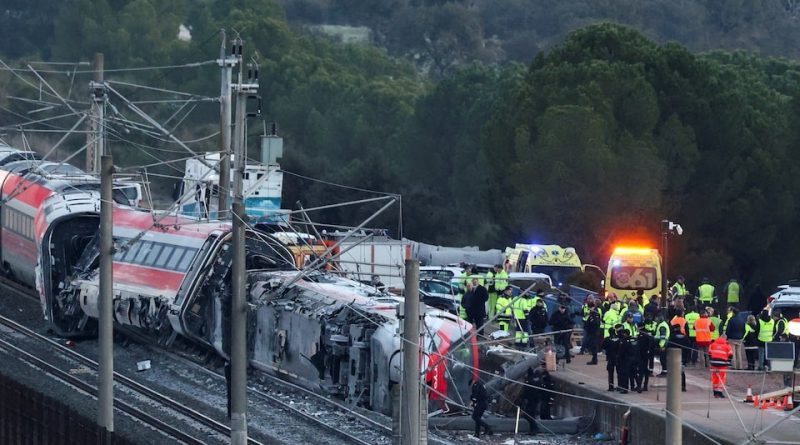
The accident occurred near the town of Adamuz in southern Spain, close to the city of Cordoba, and is considered one of the worst rail disasters in recent European history. The crash claimed 45 lives and left more than 150 people injured, overwhelming emergency services and hospitals.
Authorities said the compensation will combine direct government assistance with mandatory travel insurance payouts. The aim is to ensure that victims do not face prolonged legal or administrative delays while coping with loss and trauma.
Families of those who lost their lives will each receive a total of 216,000 euros within a maximum period of three months. This amount includes government aid as well as advance payments from insurance coverage linked to rail travel.
Officials stressed that the payments will be fast-tracked to address immediate needs. They acknowledged that standard legal timelines often fail to reflect the urgency of such tragedies.
Those injured in the crash will receive compensation based on the severity of their injuries. Payments will range from smaller sums for minor injuries to significantly higher amounts for passengers with long-term or life-altering harm.
The transport ministry said the compensation framework was designed to reduce financial uncertainty during a period of intense emotional distress. Authorities emphasized that economic hardship should not add to the suffering of affected families.
The crash has placed Spain’s rail safety systems under intense scrutiny. Investigations are ongoing to determine whether technical failures, human error, or systemic weaknesses contributed to the derailment.
Public pressure has mounted on Transport Minister Oscar Puente following the disaster. Opposition parties have questioned safety oversight and demanded political accountability.
The incident has also drawn attention to a series of other rail disruptions that occurred around the same time. These included a fatal incident involving a train driver in Catalonia and additional accidents that, while not deadly, raised safety concerns.
In Catalonia, commuter rail services faced severe disruption after drivers refused to work over safety fears. Thousands of passengers were stranded as services were reduced or suspended.
The situation worsened when a software failure led to the collapse of the region’s train traffic control centre. The incident exposed vulnerabilities in rail infrastructure management and digital systems.
Government officials said restoring public confidence in rail travel is now a priority. Measures under consideration include safety audits, infrastructure upgrades, and operational reforms.
Spain’s rail network is one of the most extensive in Europe and plays a crucial role in national mobility. Any erosion of trust in its safety has wide-ranging economic and social consequences.
Families of victims have welcomed the compensation announcement but continue to demand transparency. Many have called for clear answers on how the crash happened and who should be held responsible.
Legal experts say compensation does not preclude future court cases. Families may still pursue legal action if negligence or misconduct is established.
As investigations continue, the tragedy has reignited debate over rail safety standards across Europe. Policymakers are under pressure to ensure that similar disasters are prevented in the future.