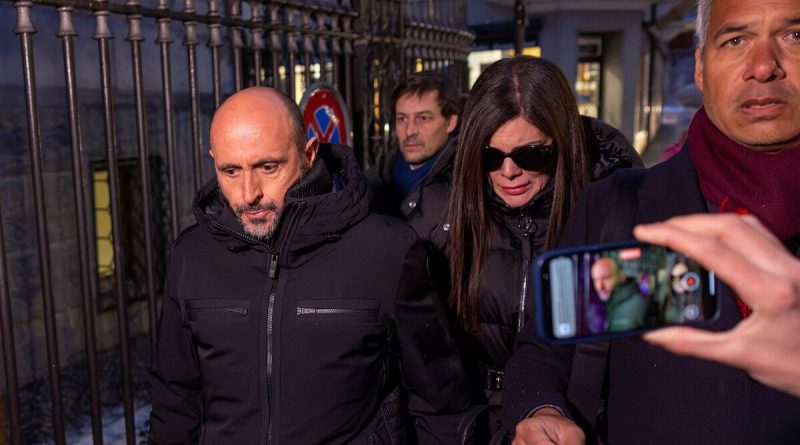
Italy recalls ambassador after Switzerland frees New Year’s bar fire suspect
Rome – Italy has lodged a formal diplomatic protest against Switzerland and recalled its ambassador to Rome after the release on bail of the owner of a Swiss mountain bar where a devastating New Year’s Eve fire claimed dozens of lives.
The move marks a rare escalation between the two neighbouring countries and reflects the depth of anger in Italy over a judicial decision seen as dismissive of victims’ suffering.
The controversy centres on Jacques Moretti, co-owner of the Le Constellation bar in the upscale ski resort of Crans-Montana, which was engulfed in flames during New Year celebrations.
The blaze killed around 40 people and injured more than 100, many of them young partygoers. Six of the victims were Italian nationals, while at least ten Italians were among the injured, amplifying public outrage in Italy.
Moretti had been detained earlier this month as part of an investigation into negligent homicide and related offences connected to the fire.
However, a Swiss court ordered his release on bail, citing legal grounds that allowed conditional freedom while the investigation continues. The terms reportedly include a substantial financial guarantee and strict reporting requirements.
Italian Prime Minister Giorgia Meloni reacted strongly, describing the release as an insult to the memory of the victims and to their grieving families.
In a sharply worded statement, the Italian government said it was unacceptable that a suspect in a case of such gravity could regain freedom so quickly, given the scale of the tragedy and the ongoing concerns about accountability.
Rome instructed its ambassador in Bern to immediately convey Italy’s indignation to Swiss prosecutors before recalling him for consultations.
The Italian foreign ministry said the recall was necessary to assess further diplomatic steps and to underline the seriousness with which Italy views the matter. While recalling an ambassador is often symbolic and temporary, it is a powerful signal of diplomatic displeasure.
Swiss authorities responded cautiously, emphasising the independence of the judiciary and the separation between legal decisions and political influence.
Swiss officials stressed that the release was ordered by a court and not by prosecutors or government authorities, and that due process must be respected. They also expressed sympathy for the victims and reaffirmed Switzerland’s commitment to cooperating with Italy.
The case has stirred strong emotions in both countries, particularly among families of the victims. Relatives of those who died have voiced fears that evidence could be lost or compromised while the suspects are free.
For many, the decision has reopened wounds still raw from the shock of the disaster, which occurred during what should have been a night of celebration.
Legal experts note that differences between Italian and Swiss judicial procedures may partly explain the tension. Bail and pre-trial detention rules vary across jurisdictions, and what appears lenient in one system may be standard in another.
However, public perception often matters as much as legal nuance, especially when lives have been lost.
The tragedy has also sparked broader debate about safety standards at crowded entertainment venues, particularly in popular tourist destinations during peak seasons.
Questions are being asked about fire regulations, emergency exits, overcrowding, and oversight by local authorities. In Italy, lawmakers have called for closer scrutiny of how foreign venues frequented by Italian tourists are regulated.
As investigations continue, diplomatic channels between Rome and Bern remain open, with both sides expressing a desire to avoid long-term damage to bilateral relations.
Yet the episode underscores how judicial decisions in high-profile cases can quickly spill over into the political and diplomatic arena, especially when cross-border victims are involved.
For the families awaiting answers, the focus remains on truth, justice, and accountability.
Whether the diplomatic pressure will influence the pace or transparency of the investigation remains uncertain, but the case has already left a lasting mark on Italy-Switzerland relations and on public expectations of justice after tragedy.