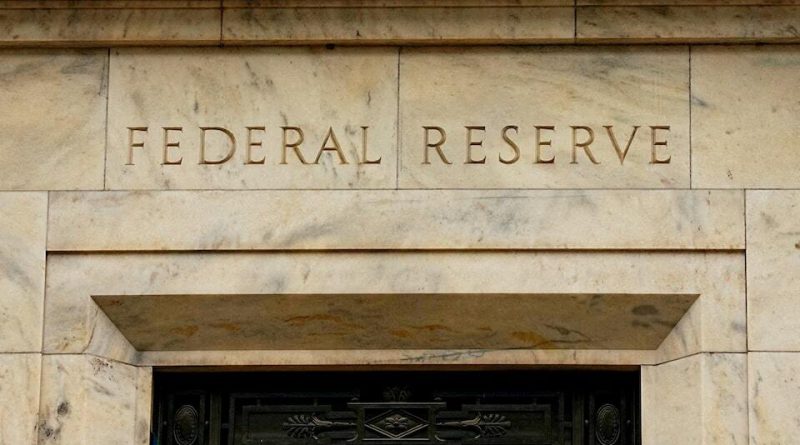
Fed Signals Steady Rates as Strong US Growth Supports Economic Confidence
A steady interest rate outlook reflects confidence in the strength of the US economy, with policymakers prioritising stability, sustainable growth, and long-term balance as inflation gradually cools.
The US Federal Reserve is expected to keep interest rates unchanged through March, with many economists anticipating stability extending further as strong economic growth continues to support the broader outlook.
This pause in rate changes is widely seen as a vote of confidence in the resilience of the US economy, which has maintained momentum despite global uncertainty.
Economists point to solid consumer spending, steady employment levels, and ongoing business investment as reasons the central bank can afford to remain patient.
Inflation, while still slightly above target, has shown signs of moderation, allowing policymakers to focus on maintaining balanced growth rather than reacting aggressively.
The expectation that rates will remain steady reflects a shift toward predictability, something markets and businesses often welcome when planning investments and expansion.
Analysts note that holding rates at current levels provides breathing room for companies and households to adjust to previous tightening without derailing growth.
The US economy’s recent performance has exceeded earlier expectations, reinforcing confidence that current monetary settings are appropriate.
Growth forecasts have been revised upward, with economists now expecting expansion to remain comfortably above long-term trend levels this year.
This stronger outlook is supported by continued innovation, particularly in technology and artificial intelligence, which is driving productivity and investment.
Fiscal measures and tax-related incentives are also expected to provide an additional boost to economic activity over the coming quarters.
With unemployment projected to remain stable, the labour market continues to signal underlying strength rather than overheating.
Steady job creation and wage growth have helped sustain consumer confidence, a key pillar of economic resilience.
Many economists believe the Federal Reserve’s cautious stance reflects a desire to preserve hard-won progress on inflation while avoiding unnecessary disruption.
Rather than rushing into rate cuts, policymakers appear focused on ensuring inflation moves sustainably toward target levels.
Market participants generally view this approach as measured and supportive of long-term financial stability.
The possibility of rate cuts later in the year remains on the table, offering reassurance that policy flexibility is intact if conditions evolve.
For now, however, the emphasis is on consistency and data-driven decision-making.
Strong GDP growth in recent quarters has reinforced the view that the economy can perform well even without immediate monetary easing.
Investments in infrastructure, technology, and energy are expected to underpin growth over the medium term.
Economists also highlight that stable rates can help anchor inflation expectations, contributing to a smoother adjustment process.
While debates around monetary policy independence continue, most analysts agree that the current economic fundamentals are solid.
Financial markets have largely interpreted the steady-rate outlook as a sign of confidence rather than caution.
Businesses benefit from clearer borrowing costs, enabling more accurate long-term planning and capital allocation.
Households, too, gain from predictability, particularly in areas such as mortgages, savings, and credit decisions.
The broader message from economists is that the US economy is operating from a position of strength.
Rather than signalling concern, the rate pause underscores confidence in sustained growth and manageable inflation.
As global economies face mixed signals, the US outlook stands out for its relative stability and momentum.
Policymakers are expected to continue monitoring data closely, ready to adjust if conditions warrant.
For now, patience is seen as a strength rather than a risk.
The steady policy stance highlights a belief that the economy can continue expanding without additional stimulus.
Long-term growth prospects remain positive, supported by innovation, investment, and consumer resilience.
Overall, the outlook suggests continuity, confidence, and cautious optimism in US monetary policy.
The Federal Reserve’s approach reflects a balance between vigilance and trust in economic fundamentals.
As the year unfolds, stability is likely to remain a defining theme for both policy and markets.