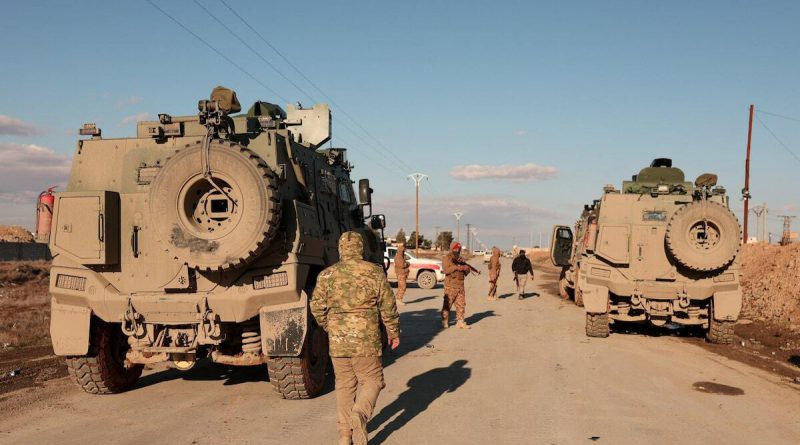
Syrian Forces Enter Hasakah After Daesh Detainee Release
Hasakah – Syrian government forces moved into the northeastern city of Hasakah and surrounding areas after the Syrian Democratic Forces released detainees linked to the Daesh terror group from Al-Shaddadi prison, triggering large-scale security operations aimed at restoring control and preventing further instability.
The Syrian Arab Army announced that its units launched sweeping operations south of Hasakah, focusing on securing Al-Shaddadi prison and nearby security facilities while tracking down escaped Daesh members. Military officials said the deployments were part of a broader effort to stabilise the Jazira region following recent security breaches.
According to military statements, army units have established checkpoints and cordoned off key routes around Al-Shaddadi to prevent the movement of armed elements. Security forces are conducting targeted searches in residential and rural areas believed to be sheltering Daesh detainees released during the incident.
The army said it considers the SDF fully responsible for the release of Daesh components, warning that such actions directly threaten civilian safety and regional stability. Officials stressed that any lapse in prison security could allow extremist networks to reorganise and launch attacks.
Military sources said Syrian commanders contacted mediators and SDF representatives to coordinate the immediate handover of Al-Shaddadi prison and its perimeter to government internal security forces. These requests were declined, prompting the army to proceed with unilateral security measures.
The operations command confirmed that once security operations are completed, the prison and surrounding facilities will be transferred to the Ministry of Interior. Authorities said this step is essential to ensure unified control over detention centres holding high-risk militants.
Syrian forces also began deploying across wider parts of the Jazira region under a recent agreement between the Syrian state and the SDF. The agreement aims to reduce security vacuums and prevent armed groups from exploiting gaps created by fragmented authority.
Local residents reported increased military presence and patrols as government troops entered strategic zones in and around Hasakah. While some civilians expressed concern about renewed tensions, others said stronger security measures were necessary to prevent extremist violence.
Security analysts warn that Daesh sleeper cells remain active in parts of northeastern Syria despite years of military pressure. The release of detainees, even temporarily, risks reinvigorating militant networks and undermining counterterrorism efforts.
The Syrian army said it would continue operations until all released detainees are apprehended and the area is declared fully secure. Commanders emphasised that restoring state authority over prisons and security institutions is critical to long-term stability.
Officials added that coordination with local communities would be increased to gather intelligence and prevent militants from blending into civilian populations. The army urged residents to cooperate with security forces and report suspicious activity.
The developments come amid a fragile security environment in Syria, where shifting alliances and unresolved conflicts continue to complicate efforts to defeat extremist groups. Control over detention facilities remains a key issue, particularly in regions where multiple forces operate.
Government officials reiterated that any action endangering public safety would be met with firm measures. They stressed that the state would not allow the re-emergence of Daesh under any circumstances.
As operations continue, attention remains focused on whether the arrests will succeed in neutralising remaining threats and whether negotiations over prison control can prevent similar incidents in the future.