Sudan Paramilitary Hid Atrocities in Mass Graves, ICC Tells UN
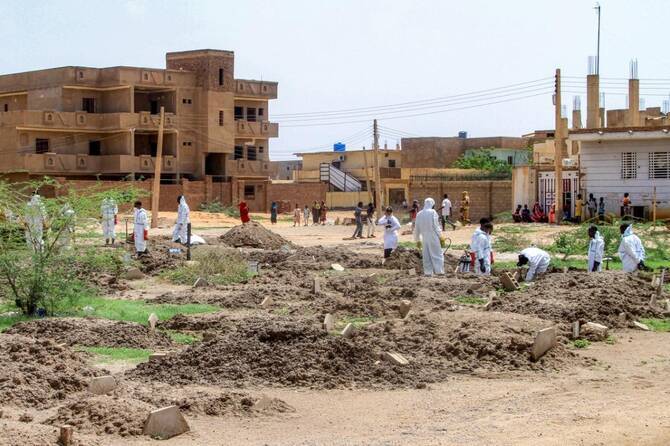
United Nations – The International Criminal Court has warned that Sudan’s Rapid Support Forces used mass graves to conceal large-scale war crimes committed during their takeover of El-Fasher in Darfur, according to testimony presented to the United Nations Security Council. The ICC deputy prosecutor said evidence strongly indicates crimes against humanity and systematic attempts to hide civilian killings.
Briefing the Security Council via video link, ICC Deputy Prosecutor Nazhat Shameem Khan said investigators had uncovered proof of mass killing events and deliberate concealment through makeshift burial sites. The assessment was based on satellite imagery, verified video footage, audio recordings, and corroborated testimony from affected communities.
The crimes were linked to the RSF’s seizure of El-Fasher in October, which marked the fall of the Sudanese army’s last major stronghold in the Darfur region. Khan said the evidence showed a consistent pattern of organised violence rather than isolated incidents.
According to the ICC, footage reviewed by prosecutors showed RSF fighters detaining civilians, subjecting them to abuse, executing them, and later celebrating the killings. Khan added that some videos also depicted the desecration of bodies, reinforcing allegations of extreme brutality.
The findings align with reports from civil society organisations and humanitarian groups that documented widespread atrocities following the RSF’s advance. Reports of sexual violence, abductions, looting, and targeted killings emerged soon after the city fell under paramilitary control.
Sudan has been locked in a devastating civil war since April 2023, with fighting between the Sudanese army and the RSF killing tens of thousands of people. The conflict has displaced more than 11 million civilians and triggered what the United Nations describes as the world’s largest humanitarian and hunger crisis.
Khan told the Council that the atrocities in El-Fasher mirrored earlier violence in West Darfur’s capital, El-Geneina, where UN experts estimated between 10,000 and 15,000 people were killed in 2023. Most victims there belonged to the Massalit ethnic group, raising concerns of ethnically motivated violence.
She said the emerging picture was one of widespread and organised criminality carried out with a sense of total impunity. Without accountability, she warned, such crimes would continue unchecked.
The ICC also renewed calls for Sudanese authorities to cooperate with international justice mechanisms. Khan urged the government to ensure the surrender of individuals subject to outstanding arrest warrants issued by the court.
Those named include former Sudanese president Omar Al-Bashir, former ruling party chairman Ahmed Haroun, and ex-defence minister Abdul Raheem Mohammed Hussein. All are wanted in connection with earlier atrocities committed in Darfur.
Khan stressed that Ahmed Haroun’s arrest should be prioritised. Haroun faces dozens of charges for crimes against humanity and war crimes related to his role in mobilising the Janjaweed militia during the Darfur conflict of the 2000s, a force that later evolved into the RSF.
Despite escaping prison in 2023, Haroun has since reappeared publicly, rallying support for the Sudanese army. The ICC said this highlights the ongoing challenge of enforcing international warrants amid Sudan’s continuing instability.
Khan addressed the Security Council remotely after being denied a visa to travel to New York, citing sanctions imposed against her by the United States. She said the restrictions would not deter the ICC from pursuing accountability for crimes committed in Sudan.
The briefing underscored growing international concern that without decisive action, the Sudan conflict will continue to generate mass civilian suffering, while perpetrators remain beyond the reach of justice.