Fed Signals Measured Path Ahead as Inflation Cools and Economy Stabilises
Federal Reserve officials are emphasising patience and balance, reinforcing confidence in a steady economic outlook as inflation eases and growth remains resilient.
The US Federal Reserve is signalling a calm and deliberate approach to future interest rate decisions, underlining confidence that monetary policy is steadily guiding inflation lower while supporting sustainable economic growth.
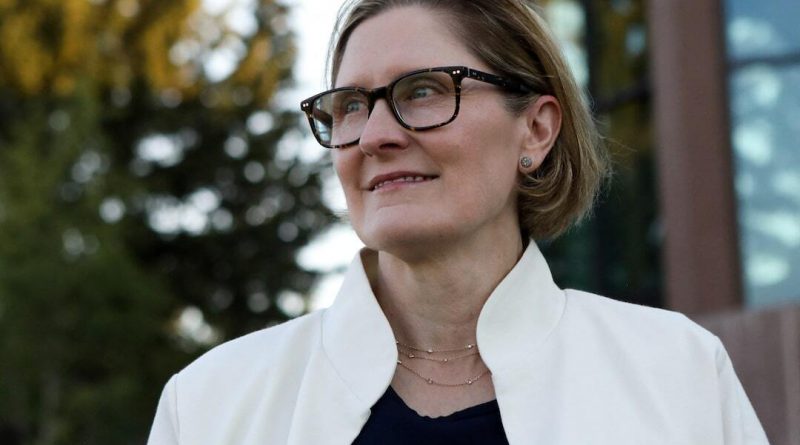
Federal Reserve Bank of Philadelphia President Anna Paulson indicated that while further rate cuts remain possible, policymakers are prepared to wait and assess incoming data before making additional moves.
Her remarks reflect a broader sense of cautious optimism within the central bank as the US economy enters 2026 with moderating inflation, steady growth, and a labour market that remains resilient.
Paulson noted that monetary policy is still exerting enough restraint to keep inflation pressures moving in the right direction, reinforcing the effectiveness of the Federal Reserve’s actions over the past year.
After a series of rate cuts in 2025, officials are now focused on ensuring those changes continue to filter through the economy in a balanced and predictable way.
The Federal Reserve reduced interest rates by a total of three-quarters of a percentage point last year, a move aimed at easing pressure on households and businesses while keeping inflation expectations anchored.
Paulson described the current level of interest rates as slightly restrictive, a stance she views as appropriate while inflation continues its gradual descent.
Looking ahead, she expressed confidence that inflation could approach the central bank’s long-term target as temporary price pressures, including those linked to tariffs, fade through 2026.
Economic growth, meanwhile, is expected to remain close to trend, with Paulson projecting expansion of around 2%, a level seen as healthy and sustainable.
This outlook suggests the US economy is navigating a soft landing, avoiding sharp slowdowns while rebalancing after years of elevated inflation and rapid policy tightening.
On the labour market, Paulson highlighted a broad deceleration in hiring but stressed that conditions remain stable rather than distressed.
She characterised employment trends as bending, not breaking, indicating that firms are adjusting cautiously without triggering widespread job losses.
This measured slowdown is being closely monitored, with policymakers keen to ensure that cooling demand does not tip into unnecessary weakness.
Federal Reserve Chair Jerome Powell has also underscored the importance of flexibility, offering limited forward guidance while allowing data to shape future decisions.
Markets have interpreted these signals as reassurance that the central bank is committed to stability rather than abrupt policy shifts.
The Fed’s approach reflects lessons learned from past cycles, prioritising credibility, transparency, and long-term economic health.
While political pressure has occasionally called for faster easing, officials have maintained independence, reinforcing confidence in the institution’s mandate-driven decision-making.
Paulson’s upcoming vote on the Federal Open Market Committee adds further weight to her remarks, as she will help shape policy discussions throughout the year.
Her emphasis on patience aligns with a growing consensus that the next phase of policy will be about fine-tuning rather than aggressive action.
Investors and businesses alike are drawing reassurance from the Fed’s steady tone, which supports planning and investment decisions.
Lower inflation expectations and predictable policy help stabilise financial markets, encourage lending, and sustain consumer confidence.
As 2026 unfolds, the Federal Reserve’s strategy appears focused on balance, ensuring inflation stays on track while growth and employment remain supported.
This approach reinforces the view that the US economy is entering a more stable phase after years of volatility and rapid adjustment.
By signalling that future rate cuts will be data-driven and measured, policymakers are aiming to preserve hard-won progress.
The message from the Fed is one of steady confidence, patience, and long-term focus.
In an environment shaped by global uncertainty, that consistency may prove to be one of the central bank’s strongest tools.