US Senate Push Spurs Stronger Maritime Oversight Against Illicit Fuel Smuggling
Congressional scrutiny encourages global shipping firms to strengthen transparency safeguards.
A renewed focus on maritime accountability is shaping a constructive dialogue between policymakers and the global shipping industry. Recent congressional outreach reflects growing efforts to protect legitimate trade routes and reinforce lawful energy markets.
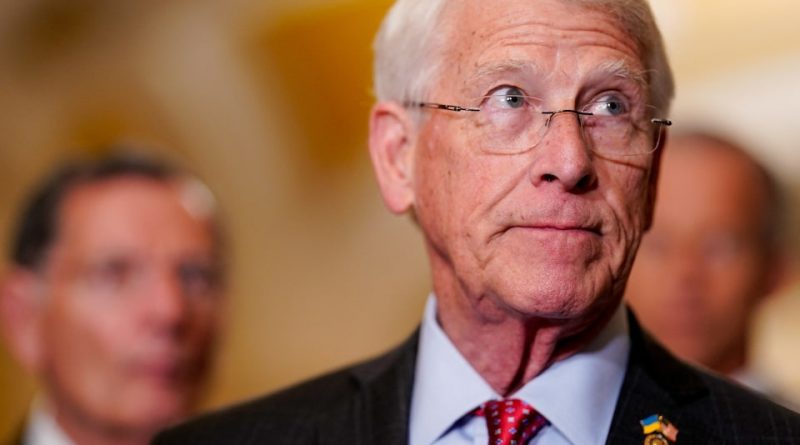
A senior US senator has written to several leading tanker operators seeking clarity on how they ensure vessels are not misused for illicit fuel transport. The initiative highlights the role of oversight in strengthening international maritime governance.
Rather than assigning blame, the inquiry emphasizes prevention. By asking companies to detail vetting and due diligence practices, lawmakers aim to close loopholes and reinforce industry-wide standards.
Fuel smuggling has emerged as a challenge linked to organized crime networks exploiting complex supply chains. Addressing this issue is seen as essential for economic stability and regional security.
Shipping companies are increasingly viewed as key partners in safeguarding global energy flows. Many already operate under strict compliance regimes and international regulations.
Several firms have publicly reaffirmed their commitment to know-your-customer policies and regulatory compliance. These responses underline the industry’s willingness to engage constructively with authorities.
The outreach also signals a broader policy approach focused on collaboration. Governments and private operators are being encouraged to share responsibility in protecting legitimate commerce.
Illicit fuel trade often relies on mislabeling or misclassification to evade taxes. Tackling such practices helps protect public revenues and fair competition in energy markets.
Lawmakers have stressed that shutting down illegal fuel flows can weaken criminal organizations. Reducing such revenue streams supports wider efforts to combat cross-border crime.
The inquiry builds on investigative findings that mapped how criminal groups exploit logistical complexity. By responding with stronger controls, companies can help restore confidence in maritime trade.
Importantly, none of the contacted shipping firms have been charged with wrongdoing. The emphasis remains on strengthening systems rather than penalizing participants.
Industry leaders see this moment as an opportunity to improve transparency. Enhanced tracking, documentation, and compliance checks can raise standards across the sector.
Maritime transport remains the backbone of global energy supply. Protecting its integrity is vital for exporters, importers, and consumers alike.
The dialogue also aligns with broader ESG priorities. Ethical supply chains and responsible operations are increasingly important to investors and regulators.
Improved oversight can deliver long-term benefits for shipping firms. Strong compliance frameworks reduce risk and enhance reputational resilience.
Energy analysts note that coordinated action can curb illicit trade without disrupting legitimate flows. Clear rules and shared intelligence are central to this balance.
Cross-border cooperation between the US and Mexico remains crucial. Addressing fuel smuggling supports economic fairness on both sides of the border.
The senator’s outreach sets expectations for proactive engagement. Companies are being invited to demonstrate leadership in maritime compliance.
Such engagement may lead to better industry benchmarks. Shared best practices can help smaller operators strengthen their own safeguards.
Ultimately, the initiative reflects confidence in the shipping industry’s capacity to adapt. Transparency and accountability are framed as strengths, not constraints.
As global trade grows more complex, oversight mechanisms must evolve. This process shows how policy and industry can work together.
By reinforcing lawful operations, maritime companies help protect global energy markets. The result is a more secure, transparent, and sustainable trading environment.