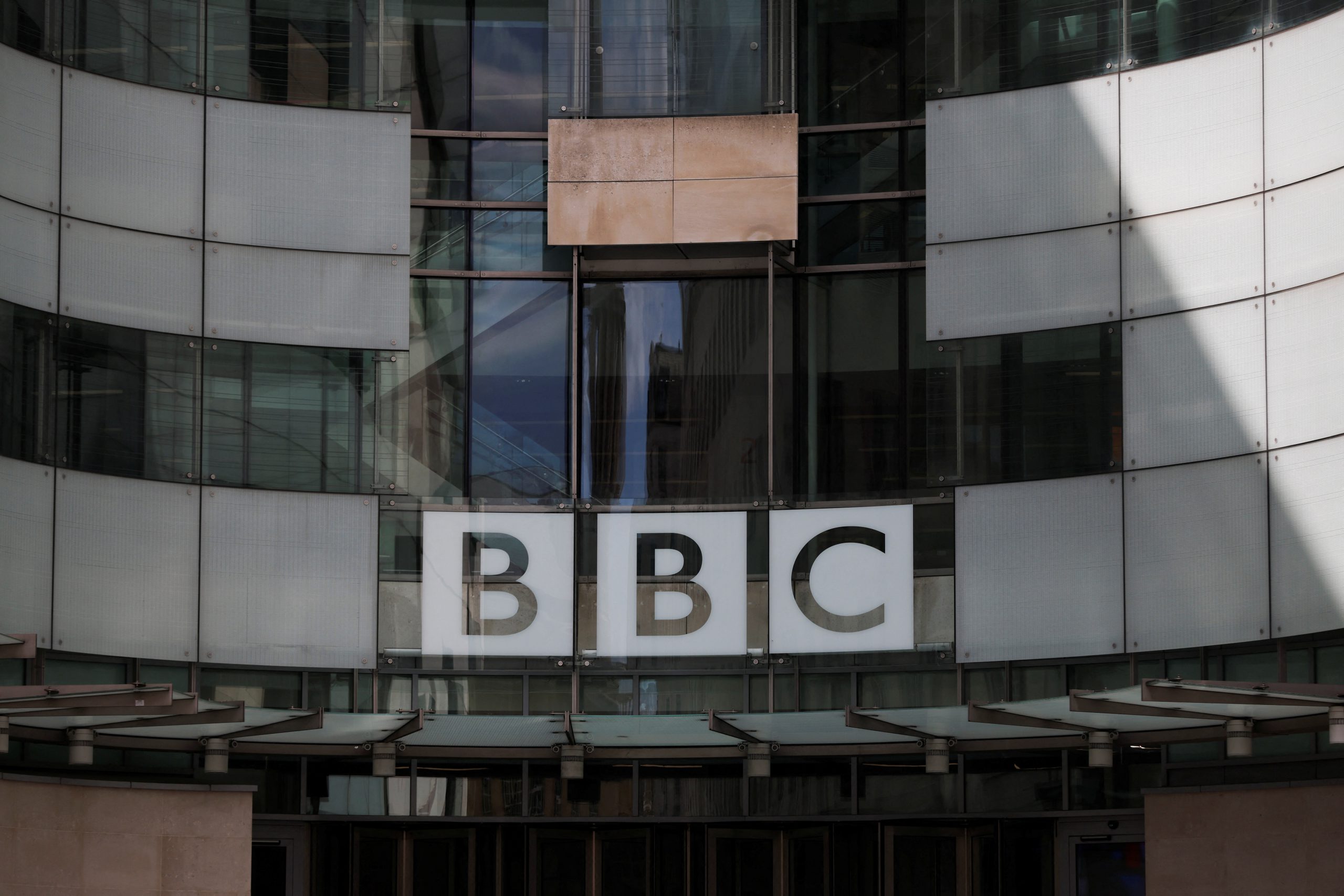
Trump–BBC Legal Clash Highlights Global Debate on Media Accountability
High-profile lawsuit reignites discussion on journalism standards, fairness, and public trust.
A major legal dispute between former US President Donald Trump and the British Broadcasting Corporation has brought renewed global attention to the responsibilities of public broadcasters in the digital age. The case has sparked wide discussion on editorial judgment, media accountability, and public trust.
The lawsuit centers on the editing of a speech delivered in January 2021. According to the claim, selective use of excerpts created a misleading impression about the intent and tone of the address, raising questions about how context is preserved in broadcast journalism.
From a broader perspective, the case reflects growing scrutiny of how influential media organizations handle politically sensitive material. In an era of rapid information sharing, even small editorial decisions can have international consequences.
The BBC has acknowledged an error in judgment related to the edited footage and issued an apology. This response has been viewed by many observers as an important acknowledgment of the need for accuracy and transparency in reporting.
At the same time, the broadcaster has stated it will defend itself legally, emphasizing the importance of editorial independence. This balance between accountability and press freedom is central to democratic media systems worldwide.
The legal action has also revived debate around public broadcasting models. As a license-fee-funded institution, the BBC occupies a unique position, combining public service obligations with global influence.
Political leaders in the United Kingdom have reiterated support for an independent national broadcaster, underlining its role as a trusted source of information. This stance reflects long-standing principles designed to protect journalism from political pressure.
Supporters of strong media oversight argue that the lawsuit highlights the need for rigorous internal checks. Clear editorial guidelines and transparent correction mechanisms are increasingly seen as essential to maintaining credibility.
The case also illustrates how political figures are using legal avenues to challenge narratives they believe are inaccurate. This trend signals a shift toward courts becoming arenas for resolving media disputes.
Media analysts note that such high-profile cases can ultimately strengthen journalism by encouraging higher standards. Public scrutiny often leads to improved editorial practices and renewed focus on context and balance.
International audiences are closely watching the proceedings, as the outcome could influence how global broadcasters handle sensitive political content. The case underscores the interconnected nature of modern media ecosystems.
For viewers and readers, the dispute reinforces the importance of media literacy. Understanding how content is edited and presented is becoming a crucial skill in navigating today’s information landscape.
Despite the controversy, the situation has opened space for constructive dialogue between journalists, policymakers, and the public. Discussions around fairness, corrections, and accountability are gaining renewed momentum.
Legal experts suggest that regardless of the outcome, the case will have lasting implications for media governance. It may prompt broadcasters to revisit training, oversight, and editorial review processes.
The episode also highlights the enduring influence of political speech and how its interpretation can shape public perception across borders. Responsible handling of such material remains a cornerstone of credible journalism.
Ultimately, the dispute reflects a broader moment of reflection for global media. Upholding trust, accuracy, and independence while adapting to intense scrutiny is a challenge shared by news organizations worldwide.
As the legal process unfolds, it serves as a reminder that journalism operates within both ethical and legal frameworks. Strengthening these foundations can contribute to a more informed and resilient public discourse.