Belarus Signals Humanitarian Opening with Release of Prominent Political Prisoners
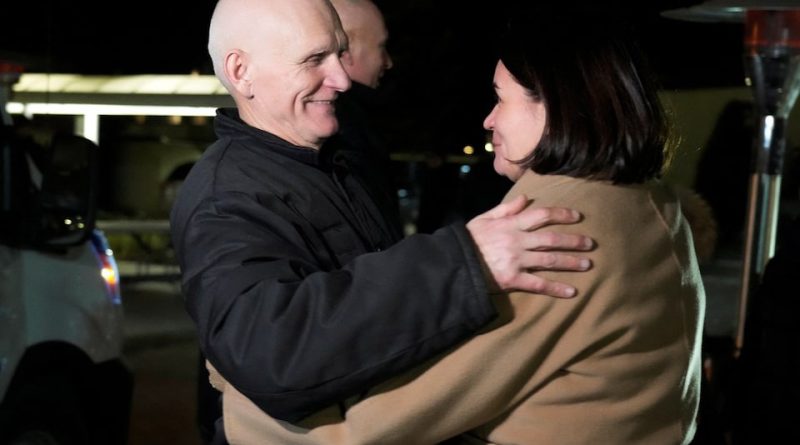
Vilnius – Belarus took a significant humanitarian step on Saturday by releasing 123 prisoners, including Nobel Peace Prize laureate Ales Bialiatski and well-known opposition figure Maria Kalesnikava. The move has been widely welcomed as a positive development for dialogue and human rights engagement in Eastern Europe.
The releases followed diplomatic discussions involving the United States and Belarus, reflecting a renewed emphasis on pragmatic engagement. Observers say the decision highlights how diplomacy and negotiation can create space for humanitarian outcomes even in complex political environments.
Ales Bialiatski, internationally respected for his lifelong work defending political prisoners and civil liberties, had been detained since 2021. His freedom marks an emotional moment for global human rights advocates who have long campaigned for his release.
Maria Kalesnikava, a central figure in Belarus’s 2020 civic movement, was also freed, along with several other high-profile detainees. Her release has been described by supporters as a moment of relief and renewed hope for families separated by years of imprisonment.
According to those close to the released individuals, gratitude was expressed toward international mediators, particularly the United States, for helping facilitate the process. The development has been framed as a humanitarian breakthrough rather than a political concession.
In parallel, the United States agreed to ease sanctions related to Belarusian potash exports, a key sector of the national economy. Potash plays a vital role in global fertilizer supply chains, and the easing of restrictions is expected to bring economic stability benefits.
Diplomatic sources have emphasized that engagement is intended to encourage constructive behavior and reduce regional tensions. The approach reflects a belief that limited, targeted incentives can support humanitarian progress while keeping broader accountability mechanisms intact.
Exiled Belarusian opposition leaders welcomed the prisoner releases, describing them as proof that sustained international pressure and dialogue can work together. They stressed that humanitarian measures and long-term democratic reforms are not mutually exclusive goals.
Sviatlana Tsikhanouskaya, a leading opposition voice abroad, noted that sanctions relief tied to humanitarian actions demonstrates the leverage of international diplomacy. She reiterated the importance of maintaining coordinated international efforts focused on peace, reform, and accountability.
The releases are also seen as a confidence-building measure that could pave the way for further dialogue. While challenges remain, the event has shifted attention toward the possibility of gradual, people-centered progress in Belarus.
For families of those released, the moment is deeply personal. After years of uncertainty, reunions represent not only freedom but also dignity and recognition of human rights principles upheld by the international community.
As global attention continues, many hope this development will encourage additional releases and constructive engagement. The episode stands as a reminder that diplomacy, when guided by humanitarian priorities, can deliver tangible results.