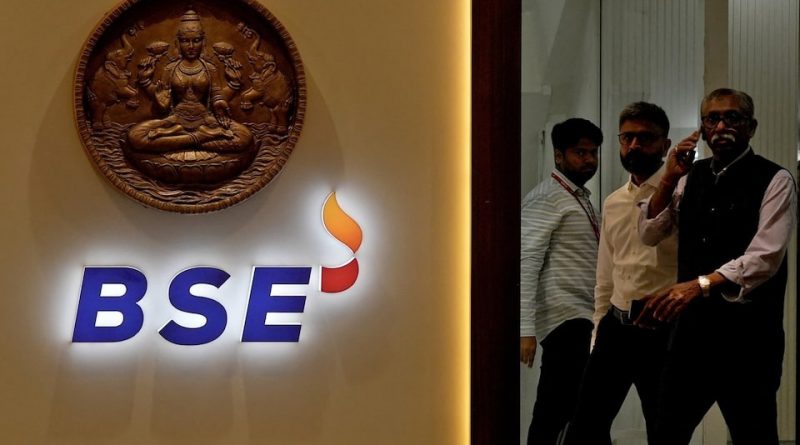
Indian Markets Enter Healthy Consolidation Phase as Investors Await Fed Direction
Mumbai – Indian equity benchmarks witnessed a modest dip for the second consecutive session, reflecting a phase of healthy consolidation as global markets wait for clarity from the U.S. Federal Reserve.
Despite short-term caution, investor confidence in India’s long-term economic momentum remains firmly intact.
The Nifty 50 ended slightly lower while the BSE Sensex also eased, with information technology stocks contributing to the softness.
Markets often pause before major global decisions, and this pullback is viewed by analysts as a natural breather after recent record highs.
Investors are closely monitoring the upcoming U.S. Fed rate decision, which is expected to offer clearer insight into global liquidity trends.
The anticipation of rate cuts in the near term continues to support optimism for emerging markets, including India.
Market experts note that temporary fatigue is common when indices hover near lifetime highs, especially in the absence of fresh domestic triggers.
However, India’s strong economic fundamentals continue to draw sustained interest from institutional and retail investors.
IT stocks saw mild pressure as global cues weighed on sentiment, given their large exposure to U.S. revenue streams.
Yet the underlying demand for digital transformation and cloud services keeps the sector structurally strong.
Broader markets showed resilience, with small-cap and mid-cap indices recovering smartly after the previous session’s volatility.
Such rebounds highlight the depth and vitality of India’s diversified equity landscape.
While global trade concerns momentarily influenced sentiment, ongoing engagement between U.S. and Indian officials signals continued diplomatic and economic cooperation.
Upcoming discussions on trade matters reflect shared interests in strengthening bilateral ties.
U.S. treasury representatives reaffirmed active progress toward resolving pending trade issues, demonstrating commitment to constructive engagement.
This reassured investors that temporary uncertainties will likely give way to longer-term cooperation.
Even as talk of potential tariff adjustments made headlines, India remains well-positioned due to its robust export base and evolving trade partnerships.
Strengthening domestic manufacturing further reinforces resilience across key sectors.
Among individual stocks, SpiceJet recorded notable gains as the airline continued a positive streak amid operational challenges faced by a competitor.
Improved stability indicators from the aviation sector lifted confidence within transportation and travel-related stocks.
IndiGo also saw a recovery after its leadership affirmed that operations had stabilised and performance had returned to normal.
This contributed to easing concerns about broader disruptions in the aviation market.
Kaynes Technology delivered an impressive surge, backed by renewed positive sentiment from major global analysts.
Supportive outlooks from prominent financial institutions highlight ongoing belief in India’s electronics manufacturing capacity.
India’s equity markets continue to demonstrate their ability to absorb global pressures while maintaining steady long-term momentum.
Sectoral rotation, institutional interest, and resilient corporate performance underpin the market’s constructive outlook.
As the world awaits the Fed’s next signal, India remains attractively positioned due to strong growth prospects, policy stability, and rising investor participation.
Temporary dips are increasingly viewed as buying opportunities, especially for long-term portfolios.
With global factors still in play, the near-term path may show modest fluctuations, but India’s broader investment story remains compelling.
The steady development of industries across technology, aviation, manufacturing, and services supports confidence in continued expansion.
Analysts expect that once global uncertainties ease, Indian markets may resume their upward journey backed by strong domestic fundamentals.
For now, the consolidation phase is seen as a healthy reset that positions the market for more sustainable gains.