China Calls for Stronger Global Cooperation as Record Trade Surplus Highlights New Opportunities
Beijing – China has renewed its call for open global trade and economic cooperation as its record trade surplus sparks discussions across international markets.
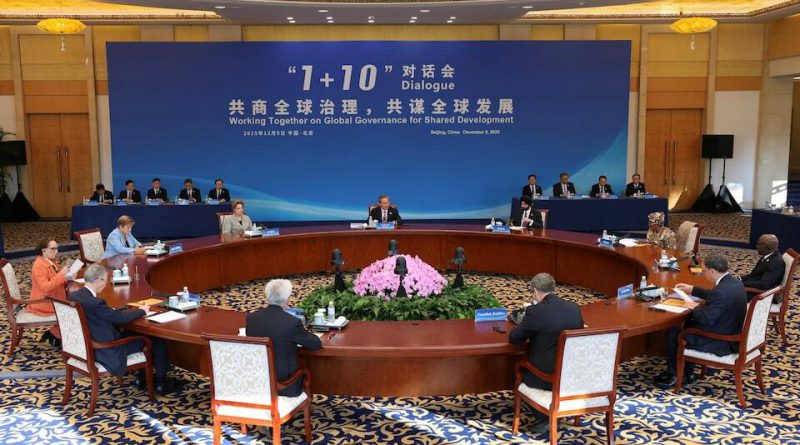
The country emphasized the importance of resisting tariff pressures and protecting the stability of global supply chains during a major economic dialogue in Beijing.
Premier Li Qiang urged global partners to avoid rising protectionism, stressing that cooperation remains the foundation of steady worldwide growth.
He said the global economy faces heavy strain from new trade restrictions, making it essential for governments and international organizations to safeguard free trade.
China met with leaders from major global institutions, including the IMF, World Bank, WTO, OECD and ILO, highlighting the need for better global governance.
The message focused on promoting fair competition, supporting emerging economies and ensuring that global markets remain open and accessible.
Li noted that increasing tariffs around the world are disrupting trade flows and affecting economic activity across developing and developed nations alike.
He reiterated that all countries benefit when supply chains function smoothly and when businesses can access overseas markets without excessive barriers.
China’s record trade surplus, driven by strong exports to Europe, Australia and Southeast Asia, has brought renewed attention to its role in global commerce.
While some nations call for reforms to balance global consumption, China stressed that it is committed to boosting domestic demand and diversifying its economic model.
Global leaders have recently engaged China on these issues, signalling the need for continued dialogue to prevent economic tensions from rising.
China, in turn, emphasized that long-term stability will come from collaborative efforts rather than unilateral tariffs or restrictive trade measures.
Experts say China’s push to expand trade ties with non-U.S. markets reflects its broader ambition to strengthen global commercial partnerships.
This diversification strategy is expected to create new investment opportunities, encourage innovation and support long-term economic resilience.
Analysts also note that China’s growing market offers vast potential for global companies looking to expand their presence in Asia.
With continued growth expected over the next five years, domestic demand may gradually help ease trade imbalances and create a more balanced global economy.
China reaffirmed its commitment to reforms that support sustainable development and high-quality economic expansion.
Officials highlighted ongoing investments in technology, infrastructure and green industries to ensure the economy remains competitive and resilient.
While some economists believe further policy adjustments could help stabilize global trade, most agree that cooperation is far more effective than confrontation.
They stress that coordinated action among major economies will help mitigate risks and promote shared prosperity.
China stated that it will continue to maintain open communication with its global partners and contribute to international economic stability.
Its leaders expressed confidence that dialogue, fairness and mutual respect will guide future trade discussions and reduce friction between major economies.
As global markets navigate complex geopolitical and economic challenges, China’s message focused on partnership rather than pressure.
The country called on all nations to work together to preserve free trade, reduce uncertainty and strengthen the global economic system.
By promoting cooperation and constructive engagement, China hopes to reassure investors, encourage innovation and build long-term trust across global markets.
The message underscored the need for shared responsibility in shaping a more balanced, open and prosperous international economy.