Kuwait revokes citizenship of Muslim Brotherhood preacher Tareq Al-Suwaidan
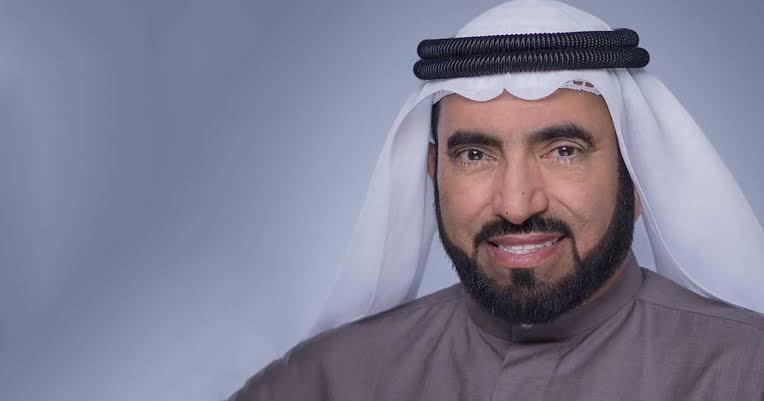
Kuwait City – The government of Kuwait has officially revoked the citizenship of Muslim Brotherhood-linked preacher Tareq Al-Suwaidan, according to the state’s Official Gazette.
The decree, which also strips citizenship from individuals who obtained it through him by affiliation, is part of a long-running campaign targeting what authorities call “fraudulent” or “forged” nationality cases.
A Government Sweep to “Safeguard Identity”
The decision, issued under Decree No. 227 of 2025, was signed at Al-Sief Palace and approved by Kuwait’s cabinet following recommendations from the First Deputy Prime Minister and Minister of Interior. Kuwaiti media have described the move as one element in a broader “clean-up” of the population registry.
Officials say more than 50,000 citizenships have been revoked over the past two years as the government attempts to strengthen national identity, social cohesion, and security.
Authorities maintain that these revocations are essential to combating falsification of documents, protecting state resources, and preventing what they describe as destabilising ideological influences.
A Preacher Who Divided Public Opinion
Tareq Al-Suwaidan is a well-known religious media figure and author whose motivational lectures have gained a significant following across the Gulf. Educated in the United States, he rose to prominence through books, leadership seminars and Islamic programming.
However, Al-Suwaidan’s political affiliations have long been contentious. He has repeatedly been described by regional commentators as linked to the Muslim Brotherhood — a characterisation he has acknowledged in public speeches, according to reports.
In 2013, Arab News reported that Saudi businessman Prince Alwaleed bin Talal dismissed Al-Suwaidan as director of the satellite network Al-Resalah, accusing him of “extremist inclinations” and political affiliation with the Brotherhood.
The prince’s office said Suwaidan had identified himself as “one of the leaders of the Muslim Brotherhood” during a lecture in Yemen.
Saudi authorities later banned various books and recordings associated with him as part of their post-2014 crackdown on Islamist literature.
MEMRI: Calls to Pressure Politicians
A November 2023 report by the Middle East Media Research Institute (MEMRI), citing an online video, said Al-Suwaidan had urged young Muslims in the West to become politically active and “pressure politicians to change their stance”.
MEMRI’s archived analysis framed these statements as consistent with his history of leadership-training seminars aimed at mobilising youth.
While supporters describe his speeches as motivational, critics argue that such rhetoric suggests attempts to influence political outcomes and shape public policy through ideological pressure.
Why Kuwait Acted Now
Although the Kuwaiti decree provides limited detail, analysts point to existing nationality laws that permit revocation in cases of forged documentation, non-disclosure of affiliation, or activities judged harmful to state security.
Officials have broadly framed their campaign as a response to “undesirable affiliations”, emphasising Kuwait’s responsibility to protect its internal stability.
Commentators in local media argue that such measures act as guardrails against divisive movements and imported political agendas, particularly amid regional tensions over political Islam.
Supporters of the decision contend that revoking Al-Suwaidan’s citizenship strengthens Kuwait’s stability and reinforces the government’s role in upholding “social cohesion, religious moderation, and long-term security.”
They argue that nationality laws must remain firm to prevent exploitation and ensure Kuwait remains shielded from external ideological conflicts that have destabilised neighbouring states.