Norway Secures Budget Deal, Ensuring Stability for Prime Minister Stoere’s Government
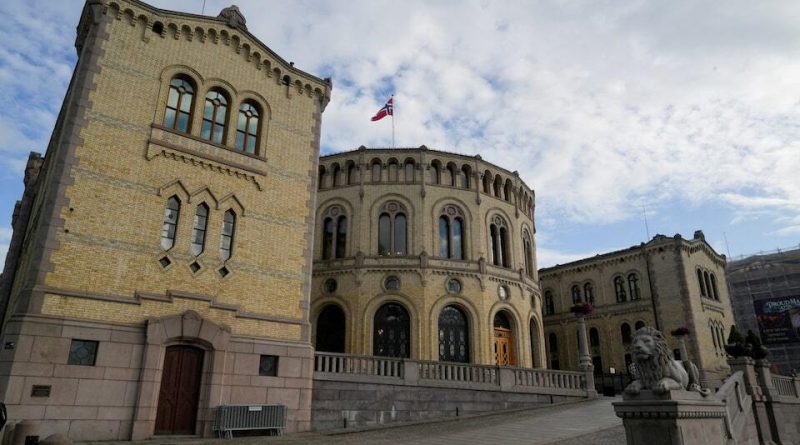
Oslo – Norway’s Labour-led government confirmed that it has secured parliamentary backing for the 2026 national budget, ending a tense political standoff and ensuring the stability of Prime Minister Jonas Gahr Stoere’s cabinet. The agreement, reached with four left-leaning parties, paves the way for a smooth budget vote and avoids the need for a potential confidence motion.
The breakthrough is seen as a positive sign for political cooperation in a closely divided parliament. Despite a tight post-election landscape, the government achieved consensus through extensive dialogue, reinforcing its commitment to responsible governance and collaborative policymaking.
The deal was finalized after intensive negotiations addressing concerns raised by several smaller parties. While some proposals did not make it into the final agreement, the overall outcome reflects a shared desire to move forward constructively and maintain stability at a crucial time for the Norwegian economy.
One of the key sticking points had been a proposal for Norway’s sovereign wealth fund to divest from all Israeli companies. Although the government decided not to adopt this measure, the discussions highlighted the importance of transparency and ethical considerations in national investment strategies.
Another major demand related to a full phaseout of the oil industry by 2040. Given Norway’s role as Europe’s leading gas supplier and a major global energy exporter, the government opted instead for a forward-looking approach that balances economic strength with gradual transition planning.
Prime Minister Stoere emphasized that Norway remains committed to developing its energy sector responsibly. He noted that any long-term shift must consider jobs, economic resilience and national interests, while still preparing for an evolving global energy landscape.
As part of the compromise, a new commission will be appointed to study future scenarios for the Norwegian economy as oil and gas production changes over time. This initiative will explore strategies to support innovation, sustainability and economic adaptation in a shifting global market.
The commission’s work is expected to provide valuable insights into how Norway can strengthen competitiveness, diversify key industries and support long-term prosperity. The decision reflects a positive, proactive approach to economic planning and demonstrates the government’s dedication to preparing for future challenges.
Political analysts say the agreement reinforces Norway’s ability to navigate complex coalition dynamics. While challenges are likely to arise throughout the parliamentary term, the latest deal shows that consensus is achievable even in a fragmented political environment.
The successful budget compromise ensures continuity and stability for the coming year, enabling the government to focus on economic priorities, social welfare and development goals. It also reassures citizens and investors that Norway remains committed to steady governance and strategic planning.
The outcome marks an important step forward in maintaining political cohesion and securing broad support for national policies. With the budget vote now set to proceed, Norway heads into the new fiscal year with renewed confidence and a strengthened foundation for cooperation.