EU Ends Its WTO Complaint as Trade with China Normalizes
The European Union has formally withdrawn its case at the World Trade Organization, signaling that trade flows with China have returned to stability after a period of diplomatic strain involving Lithuania.
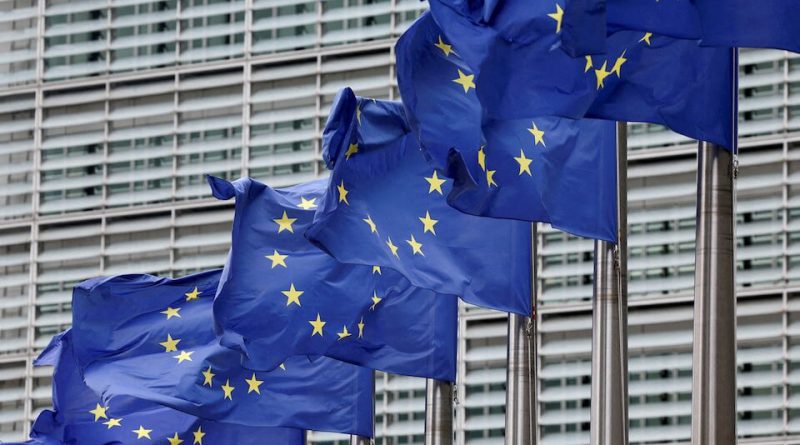
The European Union announced that it has officially closed the trade complaint it initiated against China, bringing an end to a dispute that once underscored broader tensions between Brussels, Beijing, and individual member states.
The move reflects a gradual normalization of commercial activity, especially concerning Lithuania, which had faced significant restrictions following political disagreements.
The EU confirmed in a formal submission that the objectives of the dispute had largely been achieved and that trade channels previously impacted by the restrictions were now functioning again.
This development marks a significant shift from earlier years when European supply chains, exporters, and officials reported heightened uncertainty and disruption linked to strained EU-China relations.
The original case stemmed from accusations that China had imposed discriminatory trade measures on Lithuania after the country allowed Taiwan to open a representative office under its own name.
That diplomatic gesture triggered political friction, and European companies operating through Lithuania reported challenges in clearing shipments, securing customs approvals, and maintaining predictable access to Chinese markets.
At the height of the tensions, the EU argued that the alleged measures undermined global trade rules and placed undue pressure on a single member state, prompting Brussels to intervene at the WTO.
European officials asserted that defending Lithuania’s commercial rights was essential for upholding the integrity of the Union’s single market and demonstrating collective resilience in international trade disputes.
China consistently denied implementing any formal restrictions, maintaining that trade fluctuations were market-driven and not the result of targeted policy decisions.
Despite the differences in narrative, the practical impact on Lithuanian supply chains had been widely documented by companies and industry bodies across Europe.
The EU’s decision to withdraw the complaint signals that both sides have taken steps to de-escalate and restore predictable trading conditions.
Officials noted that the return of stable trade volumes demonstrated that the situation had improved sufficiently to warrant closing the case.
Diplomatic observers view the move as part of a broader strategy by the EU to stabilize key economic relationships at a time of global supply chain challenges and shifting geopolitical alliances.
European policymakers have been pursuing a balance between addressing strategic dependencies and maintaining constructive engagement with major economies, including China.
The conclusion of the dispute also aligns with the EU’s ongoing efforts to reinforce its role in global trade governance while avoiding unnecessary confrontations that could disrupt economic recovery.
By resolving this issue without further escalation, the EU positions itself as a pragmatic actor willing to combine firmness with flexibility in complex geopolitical situations.
The decision further underscores the importance of diplomatic dialogue in addressing trade disputes that intertwine political sensitivities with economic priorities.
Analysts believe that the outcome may set a precedent for the EU’s future approach to conflicts involving individual member states and their political engagements with other global powers.
While the long-term trajectory of EU-China relations remains influenced by competition, cooperation, and evolving policy considerations, the resolution of this particular case offers a moment of predictability in an otherwise shifting landscape.
European businesses, especially those reliant on seamless cross-border logistics, are expected to welcome the clarity brought by the withdrawal.
The restoration of trade flows involving Lithuania marks a symbolic yet meaningful development, highlighting how diplomatic adjustments can ease tensions and reduce the risk of economic spillover effects.
As the EU turns its attention to broader trade challenges, the conclusion of this dispute stands as a reminder of the delicate balance between political expression and economic interdependence in global commerce.